Plaque vs. Tartar: Why 5 Minutes Only Works on One
-
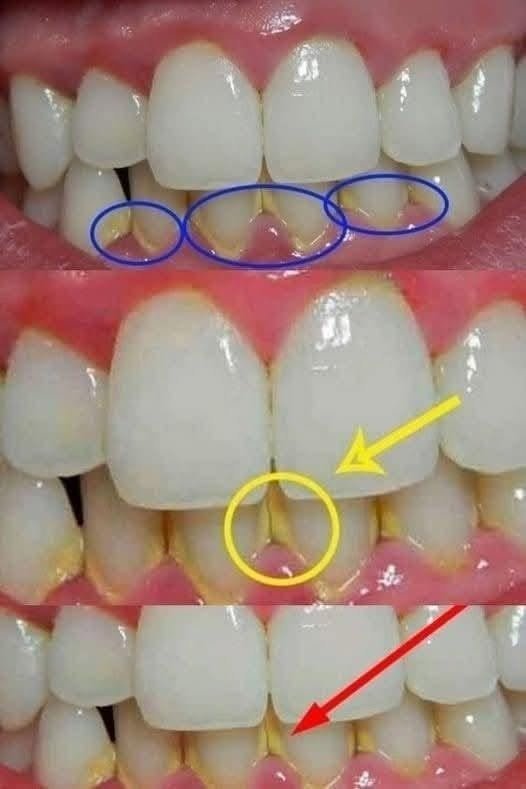
Soft Plaque: A sticky, colorless film of bacteria and food sugars that forms constantly on teeth. It is soft enough to wipe away in a few minutes with a toothbrush and floss.
-
Hardened Tartar (Calculus): Plaque that absorbs minerals from saliva and calcifies into a hard, yellow or brown crust along the gumline. Trying to scrape it off at home with metal picks, lemon juice, or abrasive powders scratches tooth enamel and injures gums.
The 5-Minute Routine to Remove Soft Plaque
-
Floss First (1.5 minutes): Slide dental floss or an interdental brush between every tooth, curving it in a C-shape against the side of each tooth and dipping gently just below the gumline to dislodge plaque a brush cannot reach.
-
Brush Thoroughly at a 45-Degree Angle (2 minutes): Use a soft-bristled toothbrush with fluoride toothpaste. Angle the bristles at 45 degrees toward the gumline and use gentle, short circular or back-and-forth strokes across outer, inner, and chewing surfaces.
-
Clean Your Tongue (30 seconds): Gently brush or scrape your tongue from back to front to remove trapped bacteria that quickly re-seed plaque on teeth.
-
Rinse With Water or Saltwater (1 minute): Swish vigorously with plain water or warm saltwater (1/2 teaspoon salt in a glass of warm water) to flush loosened debris and soothe gums.
Popular “Natural” Plaque Hacks to Avoid or Use With Caution
-
Lemon Juice, Apple Cider Vinegar, or Strawberry Paste: Avoid. Citric and acetic acids dissolve tooth enamel on contact, making teeth rougher, more sensitive, and more prone to future plaque buildup.
-
Baking Soda Paste: Use sparingly. Plain baking soda mixed with water has low abrasiveness and can help polish away surface stains and soft plaque, but it lacks fluoride and should not replace regular toothpaste daily.
-
Oil Pulling (Coconut or Sesame Oil): Swishing oil for 10–15 minutes may slightly reduce oral bacteria counts over weeks, but it does not dissolve existing plaque or tartar in 5 minutes and cannot replace brushing and flossing.
-
Activated Charcoal: Avoid. Charcoal powders are often overly abrasive, wear down protective enamel, and do not remove calcified tartar.