What the Science Actually Says (Air Fryer vs. Oven)
-
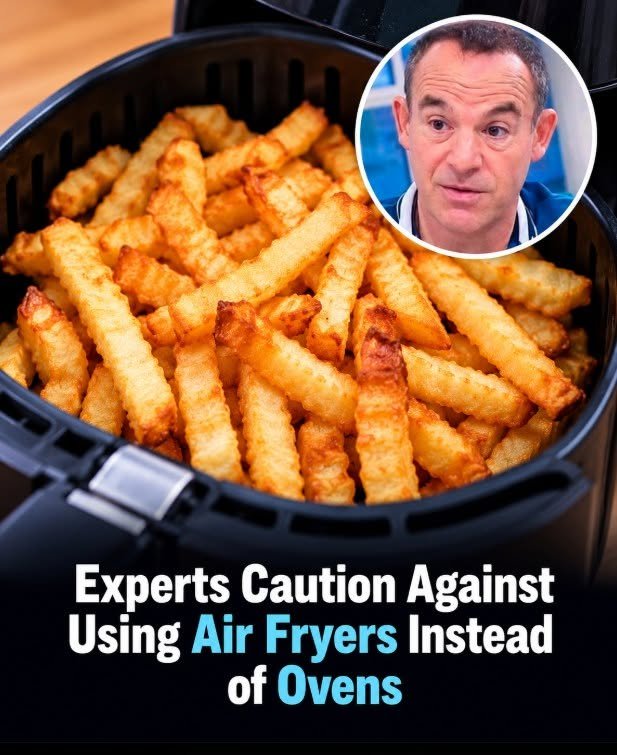
Acrylamide and High-Heat Browning: Cooking starchy foods (such as potatoes, bread, and battered items) above 120°C (250°F) forms , which is classified as a probable carcinogen based on animal studies. Air fryers generally produce less acrylamide than deep-frying, and roughly similar amounts to conventional oven roasting—the real driver is temperature and dark browning, not the appliance itself.
-
Cholesterol Oxidation and Omega-3 Loss in Fish: Studies show that high-heat air frying of fatty fish can increase and reduce delicate omega-3 fatty acids compared with gentle steaming or poaching.
-
Non-Stick Coatings and Plastic Interiors: Many budget air fryers use PTFE/PFAS non-stick baskets or plastic outer housings. Scratched, flaking coatings or overheating empty baskets above manufacturer limits can degrade the lining.
-
Uneven Cooking and Foodborne Illness Risk: Overcrowding a small air-fryer basket blocks airflow, leaving the outside crispy while the inside of raw chicken or thick meats stays undercooked.
-
Fire and Burn Hazards: Grease buildup near the top heating element, using aerosol cooking sprays with propellants, or pushing the rear exhaust vent flush against a wall can cause smoking or electrical fires.
How to Use an Air Fryer Safely (Without Giving It Up)
-
Cook to Golden, Not Dark Brown: Soak cut potatoes in water for 15–30 minutes before cooking, keep temperatures around 175–180°C (350°F) instead of maxing out at 200°C+, and stop when food is light golden yellow.
-
Protect Non-Stick Baskets: Avoid metal tongs or forks, skip propellant aerosol sprays (use a pump sprayer with high-smoke-point oil instead), and replace any basket whose coating peels or scratches. Or choose stainless-steel, ceramic-coated, or glass-basket models.
-
Use Herbs on Meats and Fish: Adding antioxidant-rich herbs such as parsley, chives, rosemary, or garlic helps curb lipid and cholesterol oxidation during high-heat roasting.
-
Rotate Cooking Methods: Keep the air fryer for quick crisping, and use steaming, boiling, simmering, or gentle oven baking for vegetables, fish, and whole grains to preserve heat-sensitive vitamins and omega-3s.
-
Clean Grease After Every Use: Wash the basket and drip tray regularly and leave at least 12–15 cm (5 inches) of clearance behind the exhaust vent.