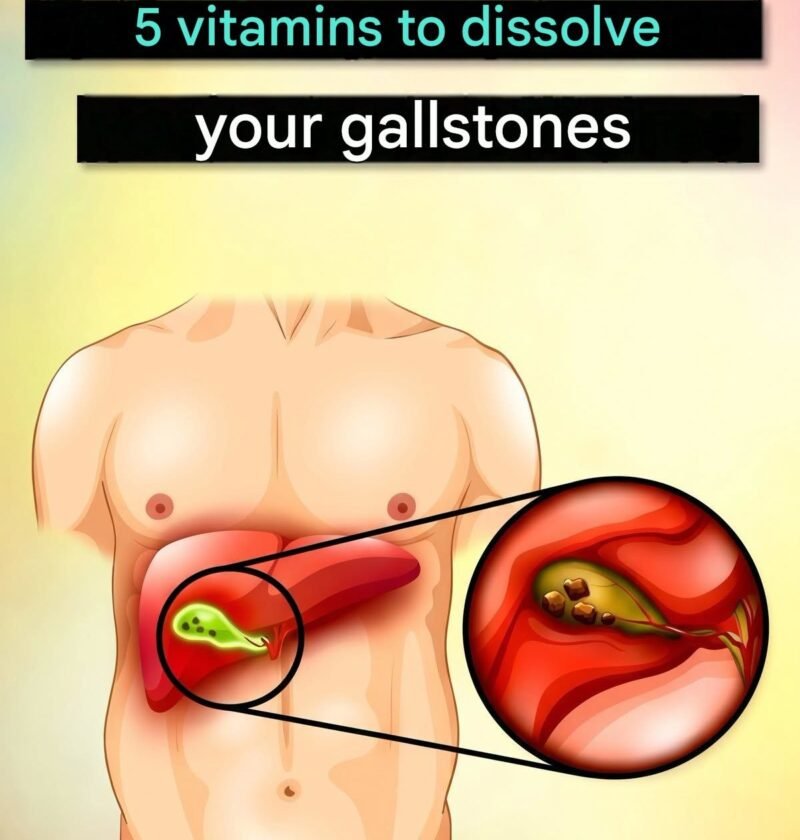
What Vitamins & Supplements Actually Do (and Don’t Do) for Gallstones
-
Vitamin C: While some early observational research has looked at whether higher dietary vitamin C correlates with lower gallstone risk, vitamin C supplements do not dissolve existing gallstones, and very high doses can cause stomach upset or raise kidney stone risk in susceptible people.
-
Vitamin D: Vitamin D is essential for bone, immune, and metabolic health, and low levels sometimes co-occur in people with metabolic or liver conditions, but taking vitamin D does not break down or dissolve stones inside the gallbladder.
-
Vitamin E & B Vitamins: There is no strong clinical trial proof that vitamin E or B-complex vitamins dissolve gallstones or prevent stone attacks.
-
Magnesium (Often Grouped With “Gallstone Supplements”): Although magnesium-rich whole foods support general metabolic and muscle health and appear in some observational diet studies, magnesium supplements do not dissolve gallstones, and high doses can cause diarrhea or build up if kidney function is reduced.
-
“Gallbladder Flush” Mixes (Olive Oil, Lemon Juice, Apple Cider Vinegar, Epsom Salt): These do not dissolve stones either. The green or tan “stones” people see in the toilet after an oil-and-juice flush are typically clumps of undigested oil and digestive juices (saponification), not gallstones—and aggressive flushes or laxatives can trigger painful gallbladder contraction, dehydration, or block a bile duct if a stone moves.
What Actually Treats or Manages Gallstones
-
Watchful Waiting (For Silent Stones): Gallstones that cause no symptoms often do not need immediate treatment.
-
Prescription Bile Acid Therapy (Selected Cases Only): For certain small, uncalcified cholesterol stones in a functioning gallbladder—especially when someone cannot have surgery—doctors sometimes prescribe ursodiol (ursodeoxycholic acid) to gradually reduce cholesterol saturation in bile. Even then, dissolution takes months to years, does not work for all stones, and stones frequently return after stopping.
-
Gallbladder Removal (Cholecystectomy): When gallstones cause recurring pain or complications, surgical removal of the gallbladder is the definitive, standard treatment because the body digests food well without a gallbladder.
-
Everyday Diet Habits: Eating regular meals with high-fiber whole foods (vegetables, legumes, whole grains, fruit) and moderate healthy fats helps the gallbladder empty steadily—whereas crash dieting or rapid weight loss actually increases gallstone risk.
When to Seek Medical Care
-
Prompt / Emergency Care (
<1 hour): Seek immediate emergency medical attention (such as 1122 in Pakistan or your local emergency service) if abdominal pain comes with high fever and shaking chills, yellowing of the skin or eyes (jaundice), persistent vomiting, or severe, unrelenting upper-right or center abdominal pain—which can signal acute gallbladder infection, bile duct blockage, or gallstone pancreatitis. -
Routine Doctor Visit (Within 2–7 Days): Schedule an evaluation with a doctor or gastroenterologist if you have recurring upper-right or upper-middle abdominal discomfort or fullness (especially after fatty or heavy meals) or if you want an ultrasound to clarify whether gallstones are present.