The 4 Most Common Causes of Summer White Spots (and How Dermatologists Treat Them)
| Condition | What It Looks & Feels Like | Why It Shows Up in Summer | Evidence-Based Treatment |
| 1. Tinea Versicolor (Pityriasis versicolor) | Flat, slightly scaly oval patches (lighter, pink, or tan) on the chest, upper back, shoulders, or neck that may merge into larger maps; occasionally mildly itchy. | Heat, humidity, and sweat trigger normal skin yeast (Malassezia) to overgrow and produce azelaic acid, which temporarily slows pigment production while surrounding skin tans. | Over-the-counter anti-fungal washes (such as ketoconazole 1%–2% shampoo or selenium sulfide 2.5% lotion/shampoo applied to affected skin for 5–10 minutes before rinsing for 1–2 weeks) or topical anti-fungal creams. |
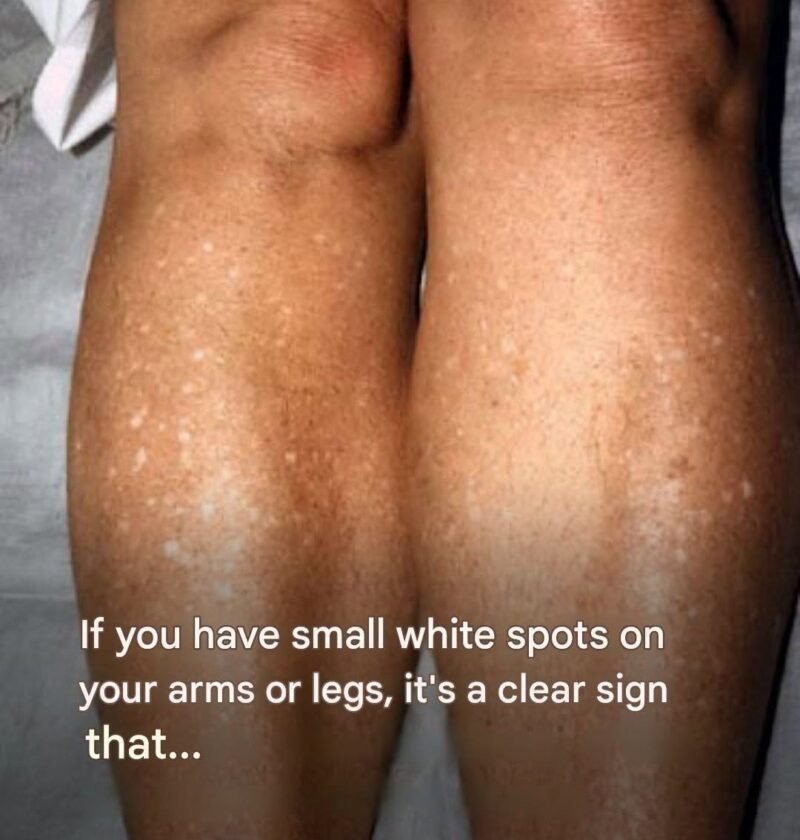
| 2. Idiopathic Guttate Hypomelanosis (IGH) | Tiny, sharp-bordered, porcelain-white flat dots (typically 2–5 mm wide, like confetti) on sun-exposed shins, forearms, and shoulders; smooth, never scaly or itchy. | Cumulative lifetime UV exposure reduces pigment-producing cells (melanocytes) in tiny spots; when surrounding skin tans in summer, those dots stand out sharply. | Harmless and permanent—anti-fungals do not work. Daily broad-spectrum SPF 30+ sunscreen prevents surrounding skin from tanning darker (minimizing contrast) and stops new spots from forming. |
| 3. Pityriasis Alba | Faint, ill-defined pale or slightly pinkish dry patches with very fine, powdery scale—most common on the cheeks, upper arms, or shoulders (especially in people with dry skin or a history of eczema/allergies). | Mild low-grade eczema inflammation temporarily reduces melanin transfer; summer sun tans the healthy skin around the pale patch, making it obvious. | Gentle fragrance-free moisturizers (ceramides/petrolatum), mild soap substitutes, sunscreen, and occasionally a short course of a low-potency prescription anti-inflammatory cream (like hydrocortisone 1% or pimecrolimus) if inflamed. |
| 4. Vitiligo | Completely chalk-white, sharp-edged patches with zero pigment (and sometimes white hairs inside the patch), often symmetric around the eyes, mouth, fingers, wrists, elbows, or knees. | Sunburn or skin friction can trigger new patches (Koebner phenomenon), and summer tanning makes existing depigmented areas starkly visible. | Requires dermatologist care—treated with prescription topical corticosteroids, calcineurin inhibitors (tacrolimus/pimecrolimus), topical JAK inhibitors (ruxolitinib), or narrowband UVB phototherapy. |
Two Crucial Things to Know Before Treating White Spots
-
Pigment takes weeks to months to return—even after successful treatment: With tinea versicolor, an anti-fungal wash clears the yeast within 1 to 2 weeks, but your skin’s natural color takes several weeks to a few months to blend back in. Do not keep applying harsh anti-fungal chemicals daily for months thinking the treatment failed just because the pale shadow is still fading.
-
Avoid scrubbing, lemon juice, or strong leftover steroid creams: Scrubbing dry patches worsens pityriasis alba, and applying strong prescription steroid creams to tinea versicolor fuels yeast overgrowth and causes skin thinning.
Practical Summer Skin Routine to Clear & Prevent Common White Spots
-
Protect evenly with daily broad-spectrum sunscreen (SPF 30 or higher): Preventing surrounding skin from tanning deeply reduces the stark contrast that makes white spots stand out—and protects pigment-depleted skin from sunburn.
-
Rinse sweat off promptly in hot weather: Showering after heavy sweating and wearing loose, breathable cotton fabrics helps prevent tinea versicolor from flaring in summer heat.
-
Match the first-line step to the texture: If patches are slightly scaly on the chest/back, a 1–2 week course of ketoconazole or selenium sulfide wash is the standard starting point; if patches are dry/chalky on the face/arms, focus on thick bland moisturizer + sunscreen first.
When to see a dermatologist: Schedule a skin check if white spots are completely chalk-white with sharp borders (to rule out vitiligo early when treatment works best), spreading rapidly across large areas, failing to improve after 2–3 weeks of over-the-counter anti-fungal wash, or raised, bleeding, or painful.