Why Daily Showers Can Be Tougher After 65
-
Skin becomes thinner and drier with age: Older skin naturally produces less sebum (protective oil) and holds onto water less efficiently. Hot water and harsh soaps strip away remaining lipids, leaving skin tight, flaky, itchy (xerosis), and more prone to small cracks or irritation.
-
Higher risk of slips and dizziness: Standing for long periods in a steamy bathroom can cause blood vessels to dilate and blood pressure to dip slightly (lightheadedness), while wet tile and soap film increase slip-and-fall risk.
-
Over-washing doesn’t equal better hygiene: Most everyday odor and germs come from specific areas (underarms, groin, feet, skin folds) rather than the entire body needing a daily scrub.
A Gentler, Smarter Bathing Routine
-
Aim for 2–3 full showers a week—or quick targeted washes on “off” days: On non-shower days, a quick washcloth refresh for face, underarms, groin, and feet (or using gentle non-rinse cleansers if mobility is limited) keeps you fresh without drying out your whole body.
-
Keep water lukewarm (not steaming hot) and sessions under 5–10 minutes: Warm-to-lukewarm water is much kinder to aging skin than hot water, which rapidly dries it out.
-
Choose gentle, fragrance-free cleansers: Skip harsh antibacterial soaps, heavy scrubs, and strong fragrances unless a doctor recommends a specific wash. Focus cleanser mainly on areas that trap sweat or odor.
-
Moisturize within 3 minutes of patting dry: Pat skin gently with a towel (don’t rub) and apply a thick cream or ointment (such as plain petroleum jelly, ceramide cream, or fragrance-free body lotion) while skin is still slightly damp to lock in moisture.
-
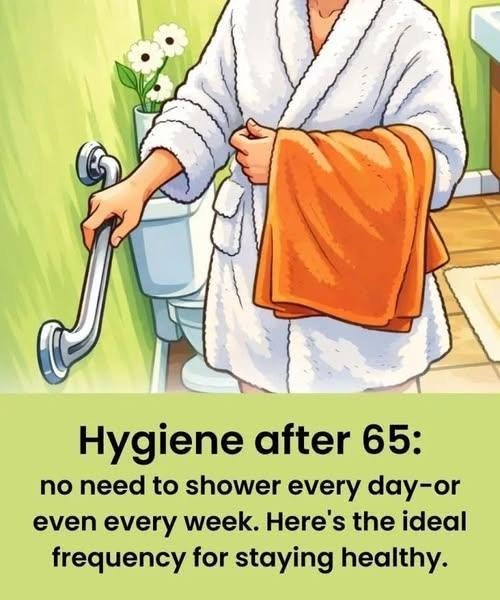
Prioritize bathroom safety: Use a non-slip bath mat or shower grip strips, consider a shower chair or grab bars if balance or stamina is an issue, and keep a towel within easy reach so you aren’t stepping out onto slick floors.