1. Safe Ways to Lift Surface Stains
-
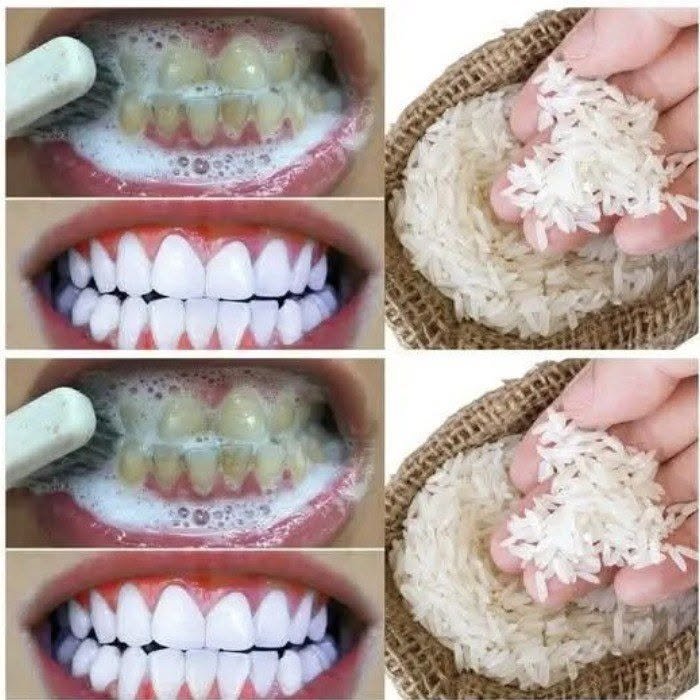
ADA-Accepted Whitening Toothpaste: Uses mild, tested abrasives (like hydrated silica) to polish away daily stains from coffee, tea, or food without scratching enamel. Results typically appear over 2 to 6 weeks of twice-daily brushing.
-
Over-the-Counter Peroxide Strips or Trays: Products containing hydrogen peroxide or carbamide peroxide penetrate below the enamel surface to bleach deeper stains. Depending on strength, noticeable whitening usually takes 1 to 2 weeks of daily use.
-
Rinse with Plain Water After Staining Drinks: Swishing water immediately after drinking tea, coffee, or dark sodas washes away chromogens (pigment molecules) before they bind to enamel.
2. Why Viral “Quick Tricks” Backfire
-
Acidic scrubs (lemon juice, strawberries, apple cider vinegar): Citric and acetic acids soften and dissolve calcium in your enamel. Brushing right afterward accelerates permanent enamel erosion.
-
Harsh abrasives (activated charcoal, coarse baking soda pastes): Repeated use acts like sandpaper on teeth, thinning enamel and leading to sensitivity and faster re-staining.
-
Oil pulling (coconut oil): While harmless as a gentle rinse, clinical evidence shows it does not chemically bleach teeth.
3. When to See a Dentist
-
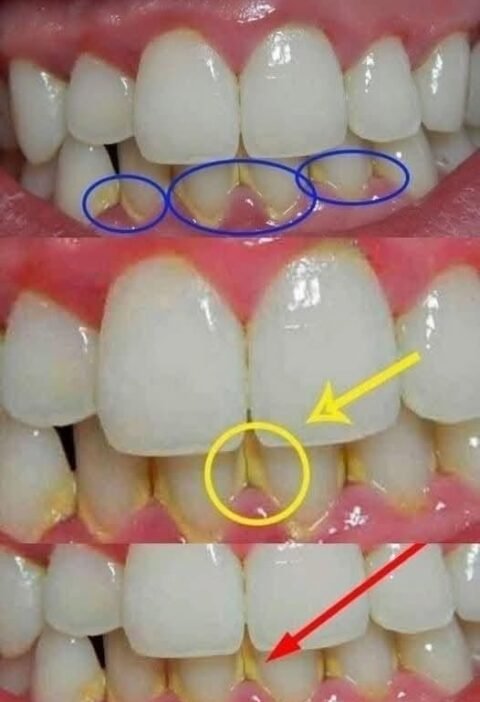
Professional Cleaning: A routine dental scaling and polishing removes hardened tartar and surface stains in a single visit—often making teeth look noticeably brighter right away without bleaching.
-
In-Office Bleaching: If you want fast, dramatic whitening (such as before an event), a dentist can apply high-concentration peroxide safely with gum barriers in about 45 to 60 minutes.