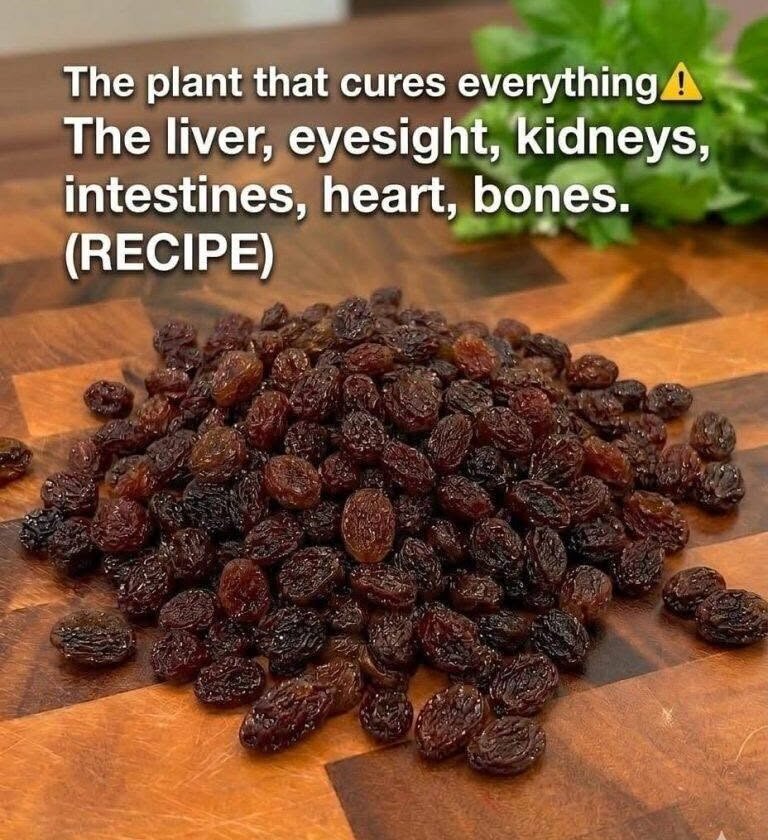
That phrasing sounds like a headline or social media post—most commonly pointing to Moringa (Moringa oleifera, often called the “miracle tree” or drumstick tree), though sometimes Amla (Indian gooseberry) or Dandelion are grouped into the same pitch.
Why Moringa Gets This Reputation
Moringa is genuinely nutrient-dense, with its leaves, pods, and seeds containing vitamins A, C, and E, calcium, potassium, iron, and antioxidant/anti-inflammatory compounds. People often link those nutrients to the body systems you listed:
-
Eyesight: Rich in vitamin A and beta-carotene, which support normal vision.
-
Bones: Contains calcium, magnesium, and phosphorus, which play roles in bone maintenance.
-
Intestines / Digestion: Fiber and plant compounds can support regular bowel movements and gut comfort.
-
Heart, Liver, and Kidneys: Early lab and animal studies—along with limited small human studies—suggest antioxidants and polyphenols may help with oxidative stress, blood pressure, cholesterol, or blood sugar.
A Reality Check on “Cures Everything”
No single plant cures every organ or disease. Much of the boldest claim comes from viral wellness posts rather than proven clinical cures for liver, kidney, or heart conditions. Concentrated extracts, powders, or root/bark preparations can also cause digestive upset or interact with medications, and certain parts of moringa are generally avoided during pregnancy.
Were you looking at a specific post or product claiming this, or trying to identify an actual plant or fruit you saw?