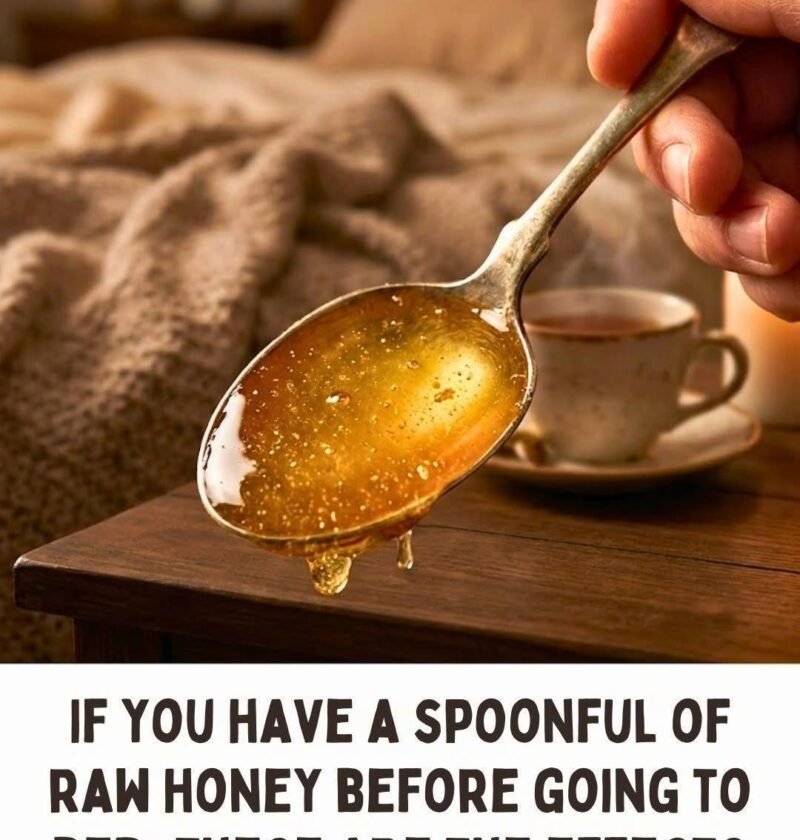
What Actually Happens When You Take Honey Before Bed
-
Soothes Nighttime Coughs and Throat Irritation (Strongest Evidence): Honey coats irritated throat membranes and triggers mild reflex salivation, reducing the dry tickle that wakes people up. Clinical trials show a small bedtime dose relieves nighttime coughing in adults and children over 1 year old roughly as well as common over-the-counter cough syrups.
-
Prevents Overnight Blood Sugar Dips (Liver Glycogen Fuel): Honey is roughly half fructose and half glucose. Fructose is processed by the liver to restock liver glycogen—the small carbohydrate reserve your body draws on to keep blood glucose stable while fasting overnight. If you ate a very light dinner or exercised late, a teaspoon of honey can prevent a mild overnight blood-sugar drop that triggers wake-up stress hormones (cortisol and adrenaline) around 2–3 AM.
-
Mild, Indirect Serotonin/Melatonin Support (Often Overstated): A small carbohydrate load triggers a slight insulin release, which helps the amino acid tryptophan cross into the brain to produce serotonin and melatonin. However, a single teaspoon has only a subtle effect—it will not treat true insomnia.
-
Does NOT Burn Fat Overnight: Viral claims that honey “fuels fat burning while you sleep” are backwards. One teaspoon provides about 21 calories and 5–6 grams of sugar (and one tablespoon has ~64 calories and 17 grams of sugar). Your body burns those extra calories first, not stored body fat.
Who Should Be Cautious or Skip It
-
Diabetes or Prediabetes: Raw or organic honey still raises blood glucose and can elevate morning fasting readings—count it within your daily carb allowance or skip it.
-
Infants Under 12 Months: Never give honey to babies under 1 year old due to the risk of infant botulism.
-
Acid Reflux (GERD): Swallowing anything right before lying flat can trigger reflux in sensitive people; if you try it, take it 30–60 minutes before lying down.
-
Dental Health: Leaving sticky sugars on teeth overnight feeds cavity-causing bacteria—always brush your teeth or rinse thoroughly with water afterward.