Why Baking Soda Fails—And Risks Worsening Dark Spots
-
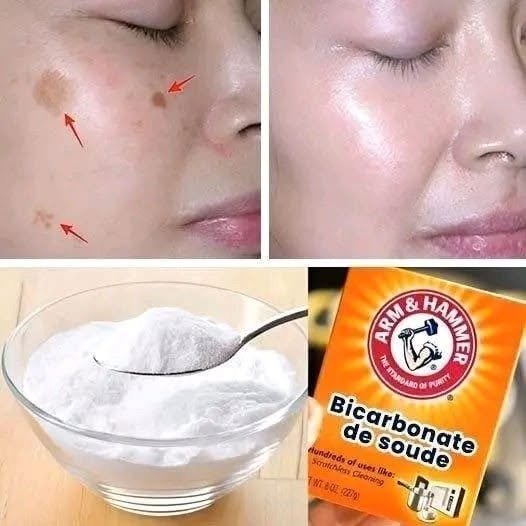
Alkaline pH Disrupts the Skin Barrier: Healthy skin sits around a slightly acidic pH of 4.5 to 5.5, while a baking soda solution has a pH near 8 to 9. Raising surface pH strips protective barrier lipids, causing dryness, tightness, and irritation.
-
Gritty Abrasion Scratches Skin: Undissolved baking soda crystals act as a harsh physical scrub. Micro-scratches and inflammation stimulate extra melanin—a major risk in medium-to-deep skin tones where post-inflammatory hyperpigmentation happens easily.
-
Common Viral “4 Ways” Combos Backfire: Viral posts often pair baking soda with lemon juice (which adds acid and photosensitivity), apple cider vinegar, coconut oil (which can clog pores or leave a heavy film), or sugar/salt (more physical friction). None of these safely fade solar lentigines.
Evidence-Based Ways to Fade and Prevent Age Spots
-
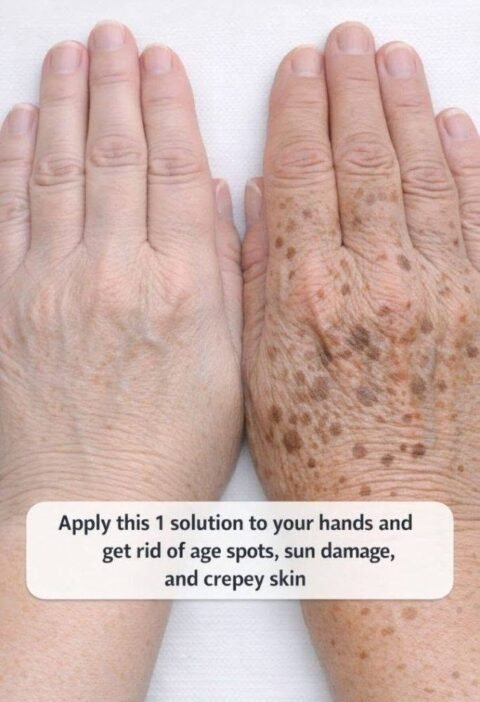
Daily Broad-Spectrum Sunscreen (SPF 30 or Higher): UV exposure drives both new spots and darkening of existing ones. Daily sun protection on the face, neck, chest, and backs of the hands prevents spots from deepening and keeps fading treatments working.
-
Targeted Topical Ingredients: Dermatologists commonly use retinoids (to speed cell turnover), azelaic acid, vitamin C, niacinamide, or kojic acid to gradually reduce uneven pigment. Introduce active ingredients slowly so irritation does not trigger rebound darkening.
-
In-Office Dermatology Procedures: Stubborn age spots often respond best to targeted clinical treatments—such as cryotherapy (freezing spots), chemical peels, intense pulsed light (IPL), or laser therapy—chosen based on your skin type and spot depth.
-
Check Any Suspicious Spot With a Doctor: Not every dark spot is a harmless age spot. Have a physician or dermatologist evaluate any spot that is new or changing in size, shape, or color, has irregular borders or multiple shades, bleeds, oozes, or crusts, or looks markedly different from your other spots (“ugly duckling” sign).