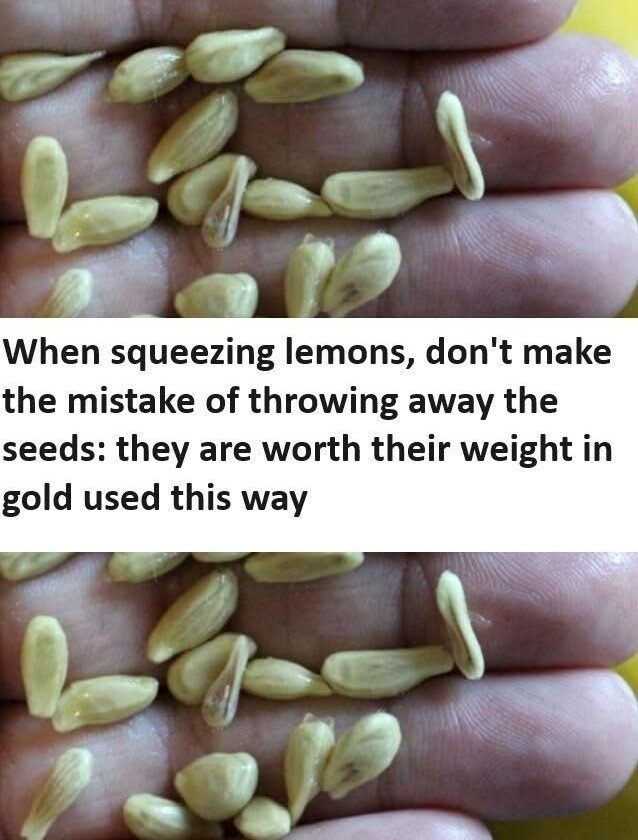
What Viral Posts Usually Tell You to Do With Lemon Seeds
-
Grow a Tabletop Lemon Plant (Most Practical Use):
-
Rinsing fresh seeds, peeling off the tough outer white shell, and wrapping them in a damp paper towel inside a sealed zip bag for 1–2 weeks reliably sprouts decorative citrus seedlings. (Note: Seed-grown lemon trees take 5–10+ years to fruit and may not match the parent lemon, though the fragrant leaves make a nice houseplant.)
-
-
Make Natural Pectin for Homemade Jams & Jellies (Genuinely Useful):
-
Lemon seeds and pith are naturally rich in pectin (a soluble fiber that gels fruit preserves). Tying a handful of seeds in a clean cheesecloth pouch and simmering them with low-pectin fruits (like strawberries or peaches) helps jam thicken naturally without store-bought pectin packets.
-
-
Brew “Lemon Seed Tea” or Eat Crushed Seeds for Health (Overhyped):
-
Viral posts claim lemon seeds “detox the liver,” kill parasites, or prevent cancer because they contain vitamin C, limonoids, and antioxidants. In reality, those same antioxidants are already present in the lemon juice and zest—without the bitterness or tough hulls.
-
-
Grind Into a Facial Scrub or Natural Bug Spray (Proceed With Caution):
-
Crushed seeds are sometimes pitched as an exfoliating body scrub or boiled into a garden spray. Ground citrus seeds have sharp, uneven edges that can cause micro-tears on facial skin, and boiled seed water is too weak to repel garden pests reliably.
-
Safety Warnings Worth Knowing
-
Choking and digestive irritation: Whole or coarsely chewed lemon seeds are hard, bitter, and indigestible; swallowing large amounts can cause stomach discomfort or pose a choking risk for older adults with swallowing difficulties.
-
Trace amygdalin / bitter compounds: Like apple and stone-fruit seeds, citrus seeds contain tiny amounts of bitter glycosides—accidentally swallowing a few seeds is harmless, but deliberately grinding and consuming large quantities is unnecessary and unwise.
-
Pet caution: Concentrated citrus seeds, oils, and peels can cause stomach upset in cats and dogs.