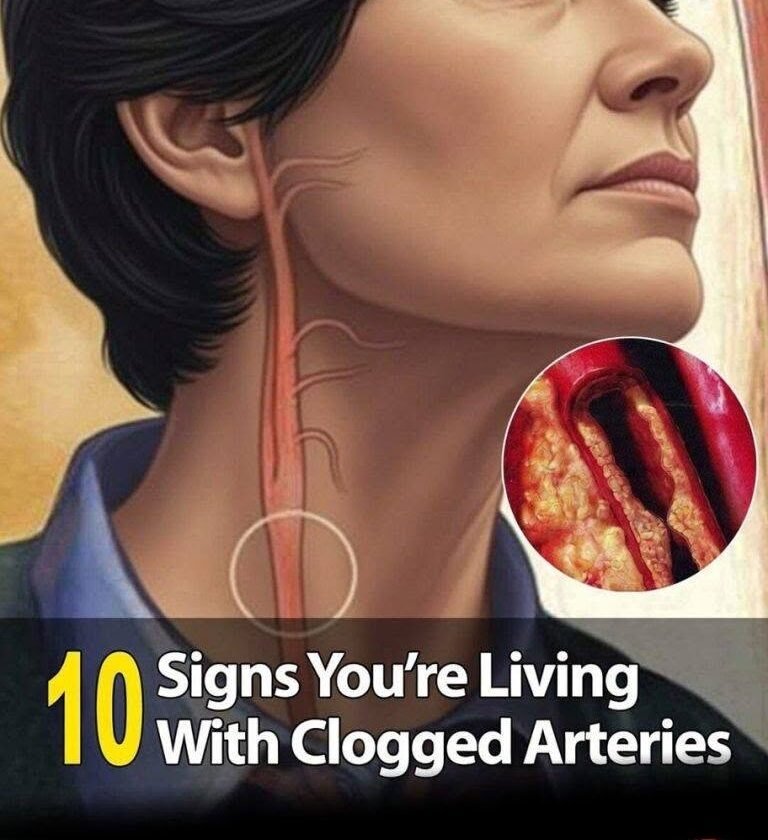
10 Commonly Cited Indicators of Blocked Arteries—By Where They Show Up
-
Chest Tightness, Pressure, Squeezing, or Discomfort (Angina): Often felt during physical effort, cold air, or emotional stress—and sometimes radiating to the arm, shoulder, back, neck, jaw, or upper stomach—when coronary arteries can’t keep up with heart oxygen demand.
-
Shortness of Breath With Activity or Lying Flat: Can happen when narrowed heart arteries limit heart pumping efficiency or cause mild fluid backup, though lung conditions, anemia, or deconditioning can also cause breathlessness.
-
Calf, Thigh, or Buttock Cramping/Aching When Walking (Intermittent Claudication): Pain or tight aching in leg muscles triggered at a fairly predictable walking distance that eases within a few minutes of resting, pointing toward peripheral artery disease (PAD) in leg arteries.
-
Cold, Pale, or Bluish Feet/Toes or Slow-Healing Foot Sores: Reduced blood flow in leg arteries can leave one or both feet feeling cool, looking pale or shiny/hairless on the lower leg, or healing slowly after minor cuts or blisters.
-
Sudden Weakness, Numbness, or Tingling on One Side of the Face or Body: A hallmark neurological warning sign when arteries supplying the brain (such as the carotid or cerebral arteries) experience reduced flow or a clot (TIA or stroke).
-
Sudden Trouble Speaking, Understanding Speech, or Vision Changes in One Eye: Sudden slurred speech, confusion, double vision, or a temporary “curtain” or loss of vision in one eye (amaurosis fugax) can signal carotid or brain artery narrowing/embolism.
-
Sudden Dizziness, Loss of Balance, or Fainting: Can reflect reduced blood flow to the brain or a rhythm disturbance linked to underlying coronary disease, though inner-ear issues, dehydration, or blood pressure drops are very common too.
-
Sudden Severe, Tearing Chest, Upper Back, or Abdominal Pain: Less common than gradual plaque buildup, but sudden intense pain—especially radiating to the back or abdomen—warrants immediate emergency evaluation for acute vascular emergencies (such as aortic dissection or acute mesenteric/limb ischemia).
-
Erectile Dysfunction in Men: Because penile arteries are relatively narrow, new erectile dysfunction can sometimes appear years before coronary or peripheral artery symptoms, making it a useful prompt to check cardiovascular risk factors (blood pressure, blood sugar, lipids, smoking).
-
Hard-to-Control High Blood Pressure or Rising Creatinine: Narrowing in the renal (kidney) arteries can contribute to resistant high blood pressure or changes in kidney function on blood tests.
What Actually Confirms or Prevents Arterial Blockages
-
Symptoms Alone Don’t Prove Blockage: Mild muscle aches, ordinary tiredness, or a single dizzy spell often have harmless explanations—while early plaque buildup can be completely silent until a test or acute event happens. Doctors evaluate risk using blood pressure, fasting/random blood sugar or HbA1c, lipid panel, ECG, ankle-brachial index (ABI), or Doppler ultrasound/imaging when indicated.
-
Core Risk-Reduction Pillars: Not smoking or using tobacco/vaping products, keeping blood pressure, blood sugar, and LDL cholesterol well controlled, getting regular aerobic/strength movement, and eating a fiber-rich, heart-healthy diet protect arteries far more reliably than any single “artery-cleansing” food or supplement.
When to Seek Care
-
Emergency Care (
<1 hour): Call 1122 (in Pakistan) or go to the nearest emergency hospital immediately for chest pressure/pain, shortness of breath, fainting, one-sided weakness/numbness, slurred speech, sudden vision loss, or a suddenly cold, pale, or painful limb. Stop exertion, sit or rest comfortably, and do not drive yourself. -
Routine Doctor Visit (Within 2–7 Days): Schedule a checkup if you notice leg pain when walking that improves with rest, foot sores or cool/pale toes, new erectile dysfunction, or a drop in exertion tolerance, or if you have risk factors like high blood pressure, diabetes, high cholesterol, or tobacco use.