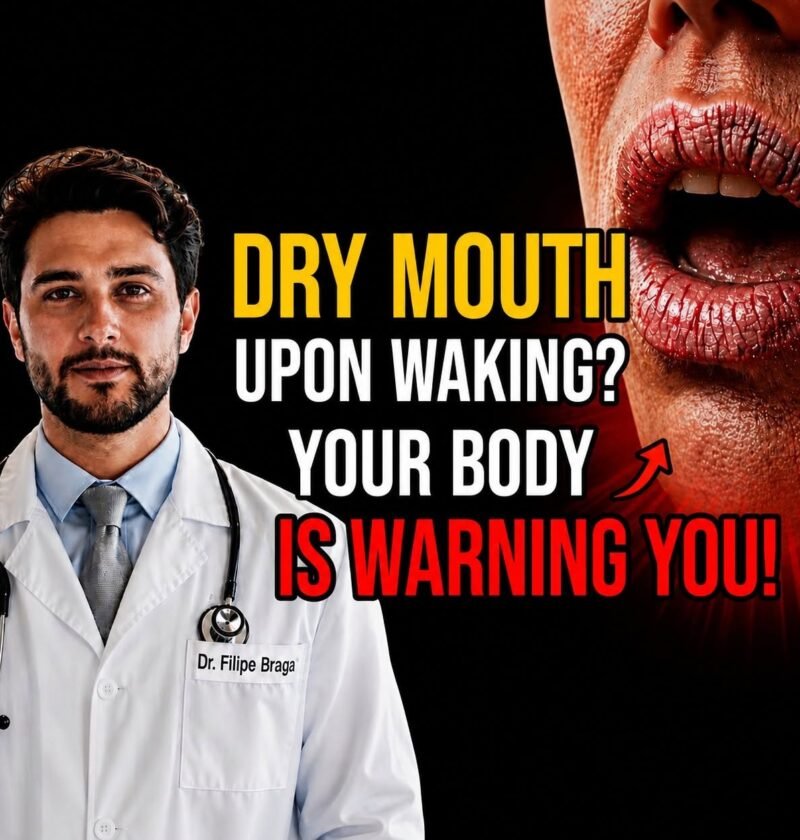
Common Reasons You Wake Up With a Dry Mouth
-
Mouth Breathing & Nasal Congestion: Allergies, a stuffy nose, a deviated septum, or simply breathing through your mouth overnight rapidly dries out saliva on the tongue and gums.
-
Bedroom Air, Fans & Hydration: Dry air, running ceiling fans or air conditioners directly toward the bed, mild dehydration, or evening alcohol/caffeine/salty meals can leave your mouth parched by morning.
-
Medications: Hundreds of prescription and over-the-counter drugs—including antihistamines, decongestants, certain blood pressure medications, antidepressants, muscle relaxants, and diuretics—reduce saliva production.
-
Sleep Apnea or Uncontrolled Blood Sugar: Loud snoring, gasping/choking at night, morning headaches, or daytime sleepiness alongside dry mouth can be a clue to obstructive sleep apnea; frequent thirst/urination or fatigue can warrant checking blood sugar/HbA1c.
-
Salivary Gland or Autoimmune Factors: Conditions such as Sjögren’s syndrome, salivary gland changes, or prior head-and-neck radiation can cause persistent dry mouth—which also increases cavity and gum-irritation risk because saliva helps buffer mouth acids.
Practical Habits & When to See a Doctor
-
Everyday Relief & Dental Protection: Keep water by the bed, sip plain water during the day, address nasal stuffiness safely if appropriate, avoid harsh alcohol-based mouthwashes before bed, and keep up regular brushing and flossing (saliva normally protects teeth, so chronic dryness makes dental care extra important).
-
Routine Doctor or Dentist Visit (Within 2–7 Days): Book a checkup if morning dry mouth happens most days for more than a couple of weeks, especially if paired with snoring/daytime fatigue, increased thirst or urination, trouble swallowing dry food, or painful/cracked lips or gums—so a clinician can review medications, check basic labs (like blood sugar/HbA1c), or evaluate sleep and dental health.
-
Emergency Care (
<1 hour): Call 1122 (in Pakistan) or go to the nearest emergency hospital immediately if symptoms include trouble breathing, choking/gasping episodes with severe distress, chest pain, confusion or extreme drowsiness, or signs of severe dehydration/high blood sugar crisis.