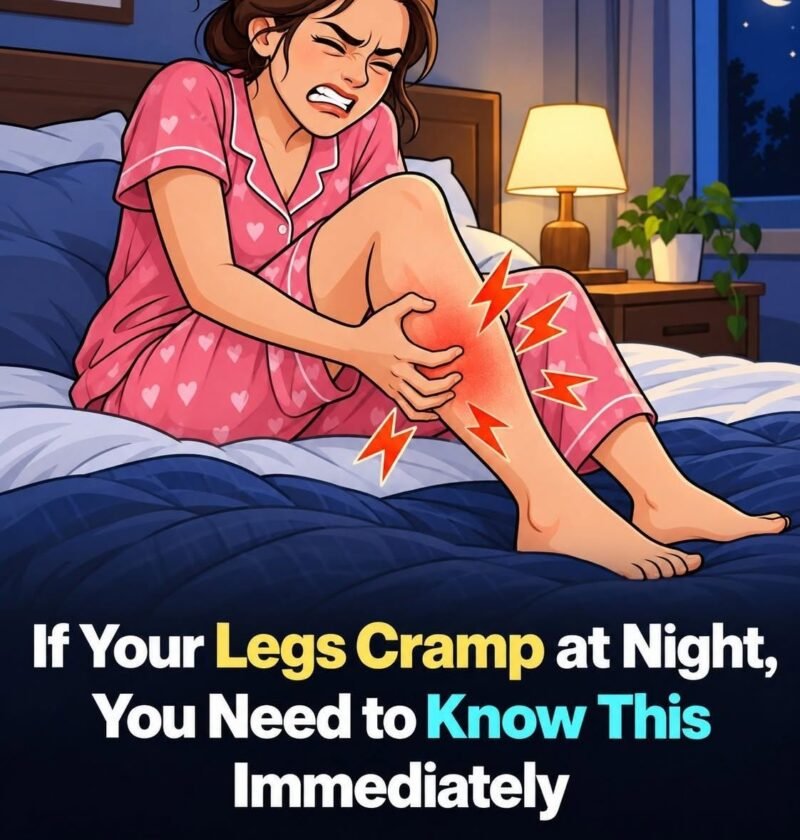
What Causes Nighttime Leg Cramps vs. Viral Myths
| Factor | Medical Reality | Viral Myth / Misconception |
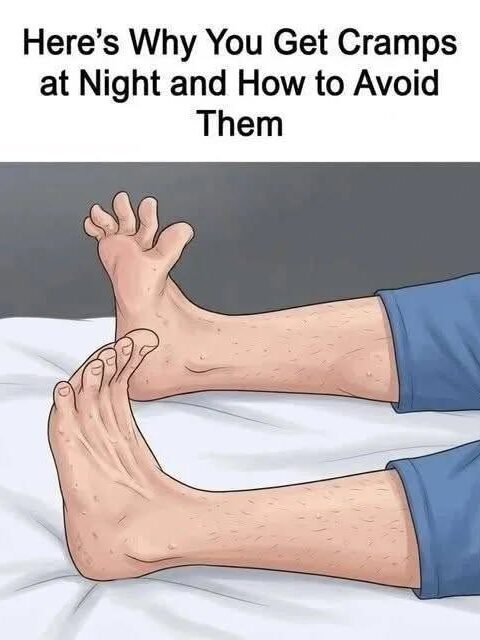
| Muscle fatigue & posture | Standing or walking on hard surfaces all day, heavy workouts, or pointing toes downward under tight sheets or blankets can trigger spasms at night. | Cramps only happen if you sit still all day. |
| Age, pregnancy & medical conditions | More common with aging, pregnancy, peripheral artery disease, nerve compression, kidney/thyroid issues, or diabetes. | Cramps always mean a dangerous blood clot or imminent heart failure. |
| Medications | Certain drugs—such as diuretics, statins, inhalers (beta-agonists), or blood-pressure medicines—can contribute in some people. | Every medication causes cramps on day one. |
| Electrolytes & hydration | Severe dehydration or true electrolyte shifts can play a role, especially after heavy sweating, though most night cramps occur in people with normal blood electrolytes. | Eating one banana or taking random magnesium pills cures every night cramp. (Clinical trials show magnesium supplements rarely beat placebo for older adults’ night cramps.) |
How to Stop a Cramp Fast and Prevent Future Ones
-
Stretch the tight muscle: Straighten the leg and gently pull your toes and foot upward toward your shin (dorsiflexion), or stand up and put weight on the cramped leg while pressing your heel down.
-
Massage and warm it: Gently rub the tight calf or arch, or apply a warm compress or heating pad to relax the spasm.
-
Walk gently for a minute: Moving around helps signal the muscle to release and leaves a dull ache that fades over hours rather than a sharp knot.
-
Stretch gently before bed: Spend 2–3 minutes stretching calves and hamstrings before turning in, and keep bedsheets loose around your feet so your toes are not forced downward all night.
-
Stay hydrated steadily: Drink water across the day rather than chugging large amounts right before sleep.
-
Review triggers with a doctor: Do not stop prescribed medications on your own, but ask a clinician if a current drug or underlying condition could be contributing.
When to Seek Prompt Medical Care
-
Unilateral swelling, warmth, redness, or deep tenderness in one calf (possible deep vein thrombosis / blood clot).
-
Persistent numbness, tingling, burning, or leg weakness rather than brief muscle spasms.
-
Calf pain that flares reliably during walking and eases with rest (possible peripheral artery disease).
-
Frequent, severe sleep-disrupting cramps lasting weeks despite basic stretching and hydration.