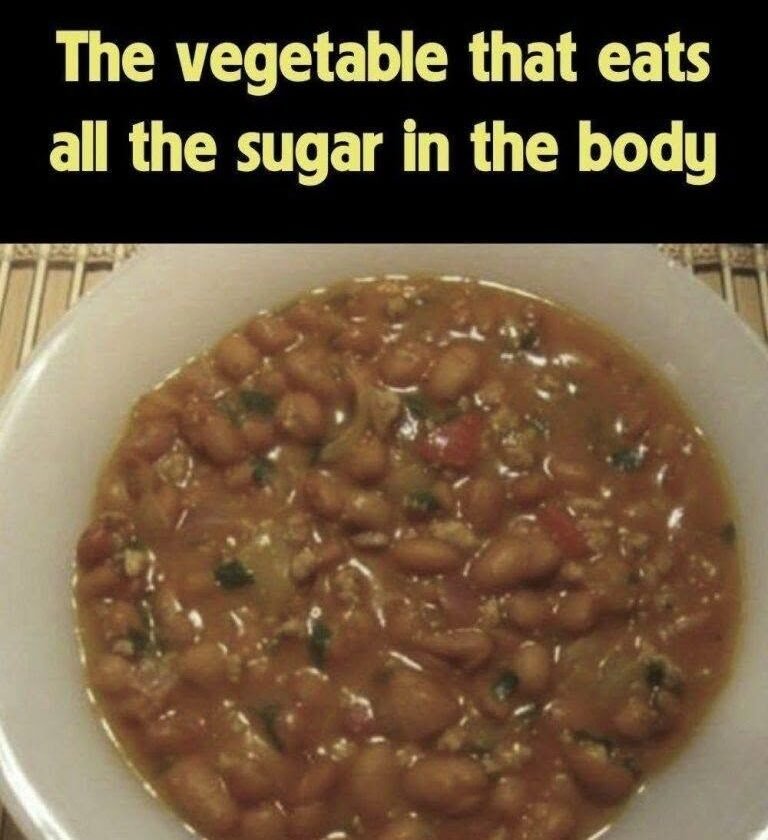
No single food “melts” blood sugar on its own or replaces diabetes medication when prescribed. Foods help lower post-meal blood glucose spikes and improve insulin sensitivity over time mainly by supplying soluble fiber, protein, and healthy fats, which slow digestion and glucose absorption into the bloodstream.
Viral “blood sugar hack” lists often overstate single ingredients (like cinnamon or apple cider vinegar) while ignoring overall carbohydrate load and portion size. Pairing high-fiber, nutrient-dense foods with balanced meals produces consistent results.
12 Evidence-Backed Foods That Help Steady Blood Sugar
| Food / Category | Key Mechanism | Practical Way to Eat It |
| 1. Non-starchy vegetables (broccoli, spinach, okra, peppers, green beans) | Very low digestible carbs plus fiber and water; add volume without spiking glucose. | Fill half your plate with raw or lightly cooked non-starchy vegetables at lunch and dinner. |
| 2. Legumes (lentils, chickpeas, kidney beans, black beans) | Rich in viscous fiber and slow-digesting resistant starch; low glycemic impact. | Add lentils or chickpeas to salads, soups, or grain bowls in place of part of the rice or bread. |
| 3. Oats & barley | High in beta-glucan (a gel-forming soluble fiber) that slows stomach emptying and blunts glucose rise. | Choose steel-cut or rolled oats over instant sweetened packets; pair with nuts or Greek yogurt. |
| 4. Chia seeds & flaxseeds | Dense soluble fiber and plant omega-3 fats absorb water and slow carbohydrate breakdown. | Stir 1–2 tablespoons of ground flax or chia into yogurt, oatmeal, or smoothies. |
| 5. Nuts (almonds, walnuts, pistachios) | Provide healthy monounsaturated/polyunsaturated fats, protein, and fiber with minimal carbs. | Eat a small handful (about 1 oz / 28 g) as a snack or over salads; watch portion size for calories. |
| 6. Berries (strawberries, raspberries, blueberries, blackberries) | Lower sugar density than many larger fruits, plus fiber and polyphenols. | Top unsweetened yogurt or oatmeal with fresh or frozen berries without added syrup. |
| 7. Whole apples & pears | Skin provides insoluble and soluble fiber; chewing whole fruit slows intake compared to juice. | Eat whole with the skin intact; avoid fruit juices, which lack fiber and spike blood sugar fast. |
| 8. Fatty fish (salmon, sardines, mackerel) | Protein and long-chain omega-3 fats support metabolic health and meal satiety. | Bake or grill fatty fish twice a week alongside non-starchy vegetables. |
| 9. Eggs | High-quality protein and fat with virtually zero carbs; helps stabilize blood sugar when paired with carbs. | Pair eggs with whole-grain toast or vegetables rather than sugary pastries. |
| 10. Plain yogurt or kefir (unsweetened) | Offers protein and probiotics; plain versions avoid added sugars found in flavored cups. | Choose unsweetened plain dairy or fortified soy yogurt and add cinnamon or berries yourself. |
| 11. Avocado | Monounsaturated fat and fiber slow gastric emptying when eaten with carbohydrate foods. | Add sliced avocado to eggs, salads, or whole-grain meals. |
| 12. Extra-virgin olive oil | Rich in monounsaturated fats and polyphenols; improves post-meal glycemic response when replacing saturated fats. | Use as a primary cooking or dressing oil in moderate amounts. |
How Meal Structure Matters More Than Any Single Food
-
Combine carbs with protein, fiber, and fat: Eating refined carbohydrates alone causes rapid blood sugar peaks and crashes; pairing a smaller portion of whole grains or fruit with protein and healthy fat flattens the curve.
-
Watch portion size and liquid sugars: Even healthy foods raise blood sugar if eaten in oversized portions. Sugary drinks, sweetened teas, and fruit juices drive rapid spikes with little fullness.
-
Use viral “hacks” cautiously: Cinnamon or a tablespoon of vinegar before a meal may offer modest, mixed effects in small studies, but they will not offset a large sugary or refined-carb meal—and undiluted vinegar can erode tooth enamel or irritate the esophagus.
When to Check With a Doctor
If you have symptoms of high blood sugar—such as excessive thirst, frequent urination, unexplained fatigue, blurred vision, or slow-healing sores—or if you have prediabetes or diabetes and take insulin or sulfonylureas, speak with a healthcare provider before making major diet shifts. Changing carbohydrate intake or losing weight can sometimes require medication adjustments to prevent hypoglycemia (low blood sugar, causing shakiness, sweating, confusion, or dizziness).