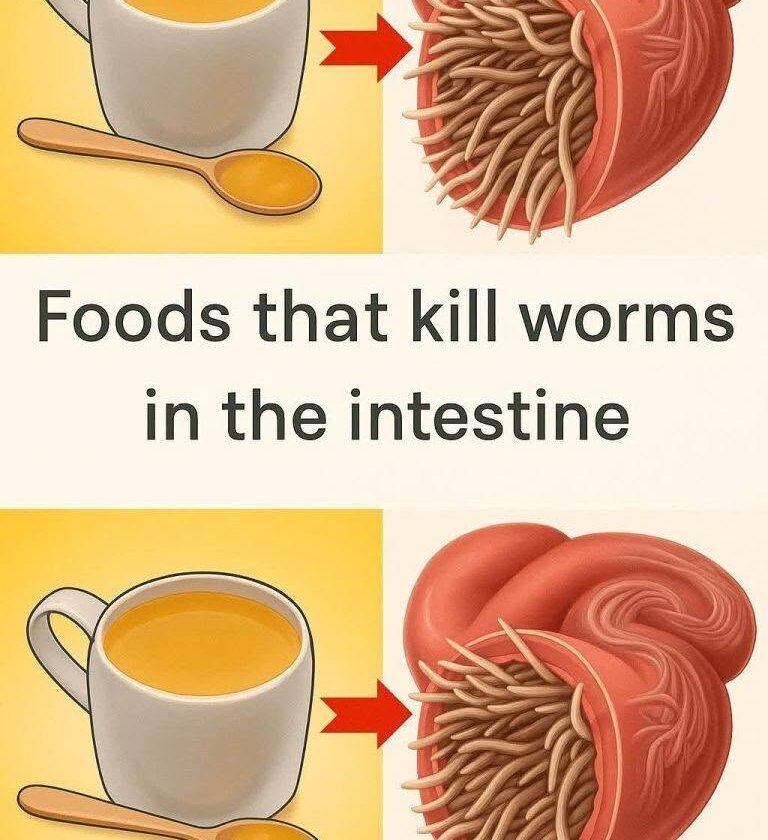
7 Foods Often Claimed to “Kill Worms” — and What Evidence Actually Shows
-
Raw Garlic: Contains allicin and sulfur compounds that show antiparasitic activity in test-tube or animal models, but eating garlic has not been proven to reliably clear human intestinal worms and can trigger heartburn, bloating, or stomach irritation.
-
Pumpkin Seeds: Contain compounds like cucurbitin studied in veterinary or laboratory settings, yet human clinical trials do not establish pumpkin seeds as a dependable cure for intestinal parasites.
-
Papaya Seeds & Unripe Papaya: Papaya seeds contain papain and benzyl isothiocyanate with lab/animal antiparasitic signals, but human evidence is limited and concentrated seed extracts can cause digestive upset or carry safety concerns in pregnancy.
-
Coconut & Coconut Oil: Sometimes promoted online for gut health, but coconut does not reliably eliminate intestinal worms in humans.
-
Carrots & Raw Beets: Rich in beta-carotene, fiber, and micronutrients that support normal digestion and bowel regularity, but they do not kill intestinal parasites.
-
Pomegranate: Contains tannins and polyphenols studied in early laboratory work, without strong human clinical proof as an antiparasitic treatment.
-
Cloves, Turmeric, or Probiotic Yogurt: Spices and fermented dairy support general gut comfort or beneficial gut microbes, not targeted clearance of helminth worms.
What Actually Clears Intestinal Worms — and Prevents Reinfection
-
Targeted Antiparasitic Medication: Confirmed or suspected intestinal worm infections are treated with specific prescription or pharmacist-recommended antiparasitic medications (such as mebendazole or albendazole, depending on the organism and age/pregnancy status). For household infections like pinworms, treating all close contacts at the same time is often important because eggs spread easily.
-
Hygiene & Food Safety Habits (Essential Alongside Treatment):
-
Wash hands thoroughly with soap and water after using the toilet, changing diapers, handling soil/pets, and before preparing or eating food.
-
Wash raw fruits and vegetables thoroughly, cook meats and fish completely, drink safe/boiled or filtered water, and keep fingernails trimmed.
-
For pinworms, wash bedsheets, towels, and pajamas in hot water and shower in the morning rather than waiting until night.
-
When to Seek Medical Care
-
Routine Doctor Visit (Within 2–7 Days): Schedule an evaluation if you or a child have anal or vaginal itching (especially at night), visible worms or thread-like segments in stool, recurring belly cramps, bloating, nausea, or unexplained fatigue, or recently traveled or had poor sanitation/water exposure. A doctor can advise appropriate testing (such as stool exams or a pinworm tape test) and safe treatment.
-
Prompt / Emergency Care (
<1 hour): Seek immediate emergency medical attention (such as 1122 in Pakistan or your local emergency service) if abdominal pain becomes severe, sharp, or accompanied by high fever, persistent vomiting, bloody/black stools, yellowing of the skin or eyes, or signs of severe dehydration.