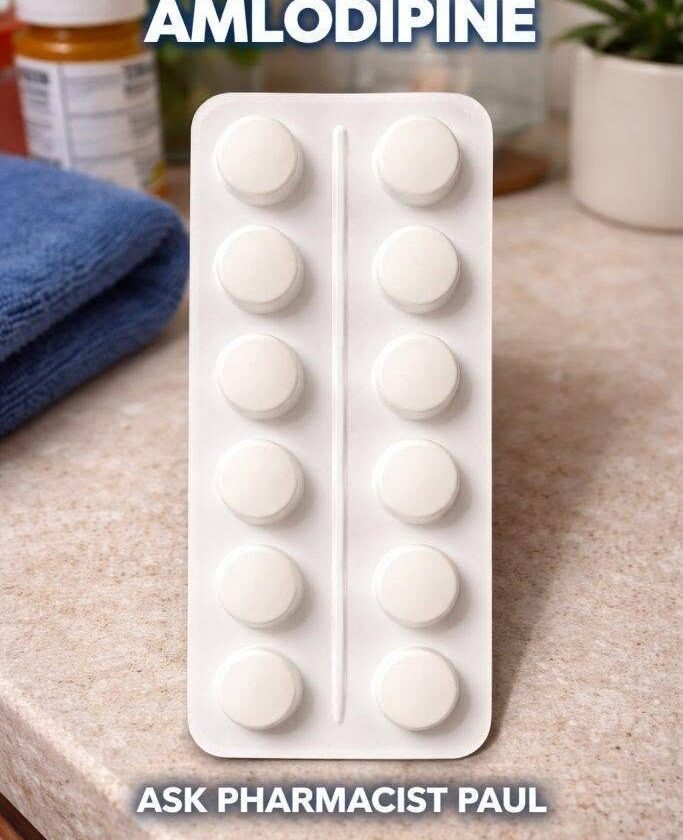
Habits Actually Worth Stopping on Amlodipine
1. Stopping or Skipping Doses Whenever Your Reading Looks Normal
-
Why it matters: High blood pressure rarely causes symptoms—normal numbers mean the medication is working, not that hypertension is cured. Stopping amlodipine abruptly leaves blood vessels unprotected and raises the risk of rebound hypertension, stroke, or chest pain.
2. Taking Over-the-Counter NSAID Painkillers Frequently
-
Why it matters: Regular use of ibuprofen, naproxen, diclofenac, or mefenamic acid causes the kidneys to retain sodium and water and constricts blood vessels—directly blunting amlodipine’s blood-pressure-lowering effect and stressing kidney blood flow. Occasional single doses are usually fine if your doctor approves, but frequent use needs a safer alternative.
3. Self-Medicating Ankle Swelling With Water Pills (Diuretics) or “Detox” Teas
-
Why it matters: Swollen ankles on amlodipine (especially at 10 mg) come from capillary pressure redistribution, not excess body fluid. Taking unprescribed diuretics or herbal “water-weight” teas rarely clears this swelling and can trigger dehydration, dizziness, or low potassium. Talk to your doctor instead about adjusting the dose or pairing amlodipine with an ACE inhibitor or ARB.
4. Eating High-Sodium Processed Foods and Salty Pickles/Snacks Daily
-
Why it matters: Excess sodium pulls fluid into the bloodstream and stiffens blood vessel walls, forcing your medication to work against a higher baseline pressure and making lower-leg puffiness worse.
5. Standing Up Quickly From Bed or Low Chairs
-
Why it matters: Amlodipine relaxes arterial smooth muscle. Jumping straight out of bed—especially during the first 2–3 weeks or after a dose increase—can cause orthostatic lightheadedness and falls. Sit on the edge of the bed for 20–30 seconds before standing.
6. Combining Amlodipine With Unchecked Decongestants or Herbal Stimulants
-
Why it matters: Cold/flu pills containing pseudoephedrine or phenylephrine, high-caffeine energy drinks, and licorice root (real glycyrrhizin-containing mulethi/licorice) raise blood pressure and counteract amlodipine.
7. Heavy Alcohol Intake
-
Why it matters: Alcohol also widens blood vessels, which can combine with amlodipine to cause sudden dizziness, flushing, or fainting acutely—while regular heavy drinking raises baseline blood pressure over time.
8. Guessing Your Blood Pressure Instead of Checking It Properly
-
Why it matters: Relying on headaches or “feeling fine” misses silent highs and lows. Checking blood pressure at home after sitting quietly for 5 minutes with your arm supported at heart level gives your doctor accurate readings to fine-tune your dose.
One Popular Viral Warning That Gets Exaggerated
-
“Never Touch a Drop of Grapefruit”: Unlike older calcium channel blockers (such as felodipine or nifedipine), amlodipine has minimal clinically significant interaction with normal amounts of grapefruit or grapefruit juice. Avoiding massive daily quantities (like liters of juice) is reasonable, but a normal serving does not cause a toxic overdose.