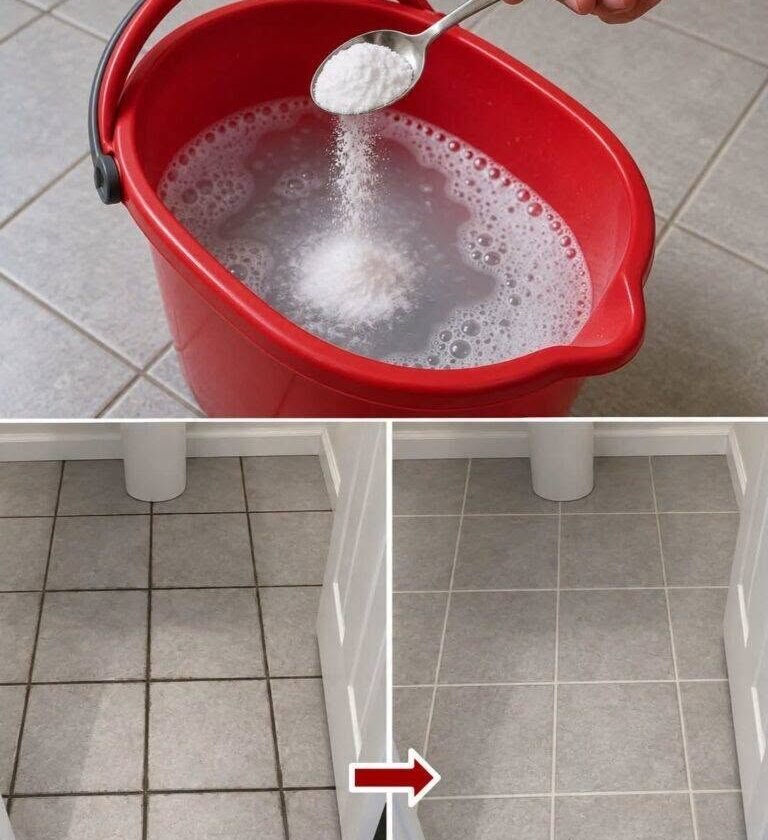
Black stains in tile grout are usually mildew or mold in damp bathrooms, grease and soot near stoves, or embedded dirt and soap scum on floors. Because grout is porous cement or sanded filler, the right cleaner depends on what caused the stain—and you should never mix bleach with vinegar, ammonia, or other household cleaners, which releases toxic gases.
1. Pick the Right Remover for the Stain
-
Black Mold or Mildew (Damp Bathrooms/Showers): Use a diluted sodium hypochlorite (bleach) solution or 3% hydrogen peroxide on white or light-colored grout. Bleach kills surface mold and bleaches dark pigment, while hydrogen peroxide breaks down organic staining without chlorine fumes (avoid bleach on unsealed colored grout if color fading matters).
-
Embedded Dirt & Soap Scum (Floors and Walls): A paste of baking soda and water (or a few drops of dish soap mixed into baking soda) gives gentle abrasive lift without etching standard cement grout.
-
Kitchen Grease & Dark Grime: A degreasing dish soap or oxygen bleach (sodium percarbonate) solution cuts oily buildup better than plain water.
2. How to Clean Black Grout Stains Safely
1.Ventilate the area and put on gloves:Open windows or run exhaust fans before applying chemicals.
Turn on bathroom or kitchen exhaust fans, open windows, and put on rubber gloves. Never mix bleach with vinegar or any other cleaner.
2.Rinse and pre-wet the grout lines:Pre-wetting helps prevent harsh cleaners from soaking deep into dry grout.
Spray or wipe the tile and grout with plain water to loosen loose dust and soap film so your cleaner works directly on the stain.
3.Apply the cleaner or paste:Leave contact for 5–15 minutes without letting it dry completely.
Apply 3% hydrogen peroxide, diluted bleach, or a baking-soda paste along the dark grout lines. Let it sit for 5–15 minutes to break down mold pigment or grime.
4.Scrub along the grout line:Use nylon or stiff natural bristles rather than wire brushes.
Scrub firmly with a narrow grout brush or stiff toothbrush in short strokes along the joint. Avoid metal wire brushes, which gouge grout and trap future dirt.
5.Rinse thoroughly and dry:Wipe dry with a microfiber cloth afterward.
Rinse well with clean water to remove residue—especially before using any other product—and wipe the tiles dry to slow future mold growth.
3. When Cleaning Alone Is Not Enough
-
Mold Inside Silicone Caulk (Tub/Sink Corners): Black mold often grows underneath or deep inside silicone sealant rather than on top. Surface scrubbing rarely removes embedded black spots inside old caulk—scraping out the old bead and applying fresh mold-resistant silicone caulk is usually the permanent fix.
-
Stains That Keep Coming Back Fast: High indoor humidity, poor airflow, or unsealed porous grout lets moisture linger. Once grout is clean and dry for 24 hours, applying a penetrating grout sealer helps repel water and stains.