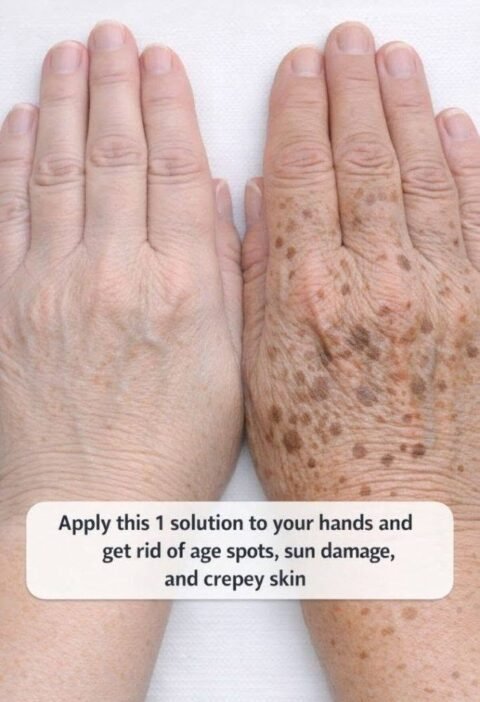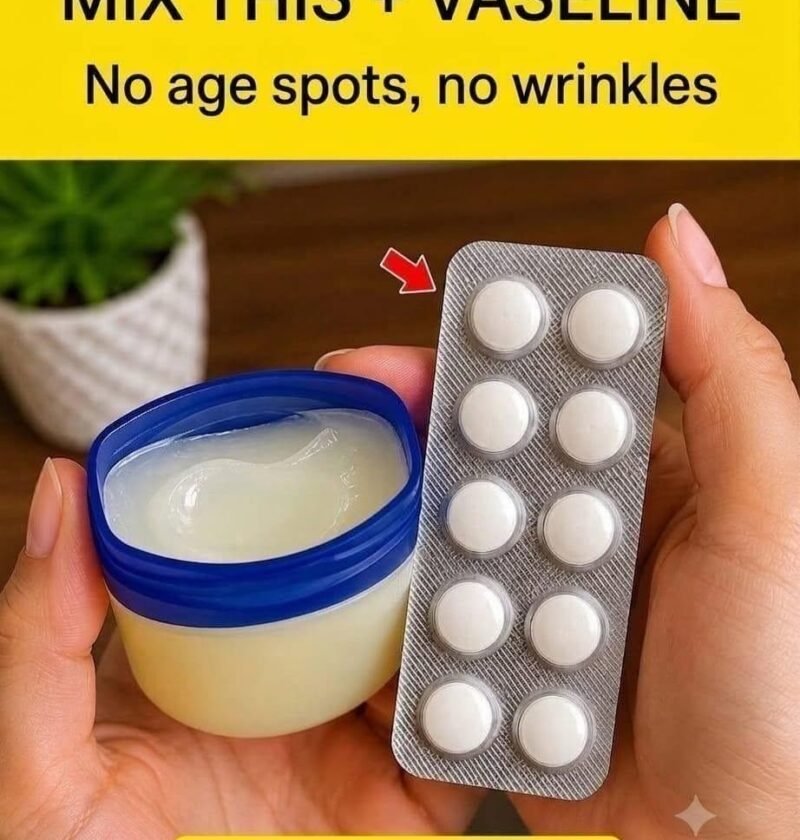
Vaseline (100% pure petroleum jelly) does not contain anti-aging active ingredients on its own, nor should you mix ingredients directly into a jar of Vaseline—doing so introduces bacteria and destabilizes formulas. Instead, the safest, dermatologist-backed way to use Vaseline for younger-looking skin is layering (“slugging”): applying a proven active treatment to clean skin first, and sealing it with a thin film of Vaseline on top to lock in hydration and plump fine dehydration lines overnight.
The Best Ingredients to Layer Under Vaseline
Apply one of these clinically proven ingredients to clean, slightly damp skin at night, wait a few minutes for it to absorb, and press a pea-sized layer of plain Vaseline over dry areas:
| Ingredient to Layer Under Vaseline | Anti-Aging Benefit | Best For |
| Hyaluronic Acid or Glycerin Serum | Pulls water into the outer skin layer while Vaseline prevents evaporation, visibly plumping fine dehydration lines by morning. | All skin types, crepey under-eyes, dry patches |
| Peptide Serum | Supports skin firmness and barrier repair without irritation, enhanced by the moisture-sealing layer on top. | Sensitive skin or beginners avoiding stronger actives |
| Niacinamide (2%–5%) | Evens skin tone, strengthens the moisture barrier, and softens dullness without harsh peeling. | Uneven texture, mild redness, dull skin |
| Low-Strength Retinol (Use Caution) | Boosts collagen and cell turnover, though sealing retinol under Vaseline increases penetration—only do this if your skin already tolerates retinol well, or apply Vaseline around sensitive areas (eyes, corners of nose/mouth) first as a buffer. | Experienced retinol users with dry, non-acne-prone skin |
What NEVER to Mix With or Seal Under Vaseline
Viral beauty hacks often tell people to stir pantry ingredients into Vaseline. Avoid these combinations, as trapping irritants against the skin magnifies damage:
-
Lemon juice, apple cider vinegar, or baking soda: Acids and harsh alkaline powders trapped under an occlusive layer can cause chemical burns, severe irritation, and dark spots.
-
Undiluted essential oils (tea tree, peppermint, clove, citrus): Sealing concentrated essential oils prevents them from evaporating, leading to allergic contact dermatitis.
-
Strong exfoliating acids (glycolic, salicylic, or high-percentage lactic acid): Trapping chemical exfoliants under petroleum jelly drives them too deep into the skin, causing peeling and barrier damage.
-
Toothpaste or cinnamon: Common social media myths that trigger painful inflammation rather than collagen growth.
Who Should Skip Vaseline on the Face
While plain petroleum jelly is non-comedogenic (its molecules are too large to clog pores directly), it traps oil, sweat, and dead skin underneath. Skip facial slugging—or limit it strictly to dry areas like the cheeks, lips, and under-eyes—if you have acne-prone, oily, or fungal-acne-prone skin, or active breakouts.
Note: Always apply a broad-spectrum SPF 30+ sunscreen every morning—daily sun protection prevents up to 80% of visible skin aging far more effectively than any overnight balm.