Common Harmless vs. Medical Reasons for Nighttime Drooling
-
Sleep Position & Mouth Breathing: Side or stomach sleeping lets gravity pool saliva near the front of the mouth, while nasal stuffiness from allergies, a cold, or a deviated septum often pushes you to breathe through your mouth overnight.
-
Deep Muscle Relaxation & Acid Reflux: During deep/REM sleep, swallowing frequency drops and jaw/lip muscles relax; acid reflux (LPR or GERD) can also irritate the esophagus and trigger extra saliva production.
-
Medications & Dental/Oral Factors: Certain drugs (such as clozapine or some sedatives/cholinergic medicines), mouth/gum inflammation, or poorly fitting dental appliances can increase saliva or make it harder to clear.
-
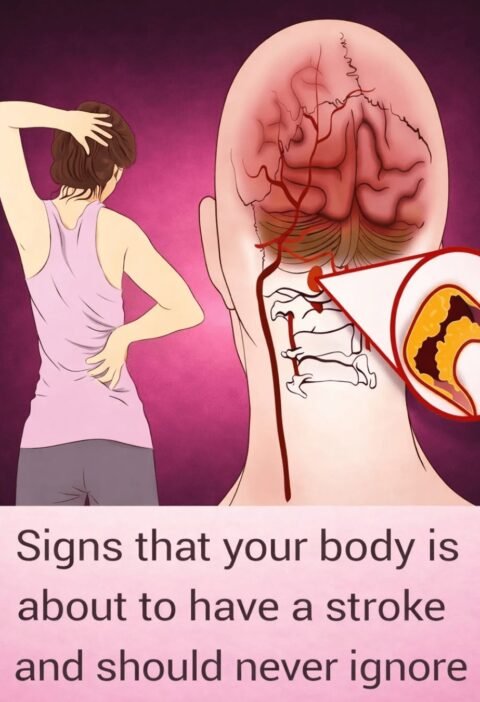
Neurological or Swallowing Conditions: Less commonly, persistent or new drooling reflects reduced swallowing clearance or facial/throat muscle control—such as after a stroke or TIA, or with Parkinson’s disease, ALS, or neuromuscular/bulbar conditions—or obstructive sleep apnea when mouth breathing and airway obstruction are involved.
Practical Steps That Often Reduce Mild Drooling
-
Try Sleeping on Your Back (If Comfortable & Safe for You): Supine sleeping often reduces gravity-driven pooling compared with side or stomach sleeping, though if you snore heavily or have sleep apnea, ask a doctor before changing positions.
-
Clear Nasal Congestion Before Bed: A saline nasal rinse or steam/allergy care (as advised by a doctor or pharmacist) can make nose breathing easier so your mouth stays closed.
-
Avoid Late Meals or Reflux Triggers: Finishing food 2–3 hours before lying down can help if acid irritation is stimulating extra saliva.
-
Don’t Stop Prescribed Medications on Your Own: If a medication seems linked to excessive saliva, ask your prescriber or pharmacist about timing or options rather than altering or stopping it independently.
When to Seek Prompt or Emergency Care
-
Emergency Care (
<1 hour): Seek immediate emergency medical attention (call 1122 or go to the nearest emergency hospital) if drooling appears suddenly alongside facial drooping on one side, slurred speech, arm/leg weakness or numbness, trouble swallowing or breathing, or confusion (possible stroke or airway emergency). -
Routine Doctor or Dentist Visit (Within 2–7 Days): Schedule an evaluation if drooling is new or worsening, happens while awake, causes waking up coughing/choking or morning dry mouth/loud snoring, or is accompanied by difficulty swallowing food or liquids.