What Fruits Actually Do for Circulation (and Where Viral Claims Go Wrong)
-
Polyphenol- & Antioxidant-Rich Fruits: Fruits often highlighted in these articles—such as berries (blueberries, strawberries, blackberries), pomegranate, red/purple grapes, citrus fruits (oranges, grapefruit), cherries, apples, kiwi, and pineapple—contain flavonoids, anthocyanins, vitamin C, and hydration that support endothelial (blood-vessel lining) function and healthy circulation as part of a balanced diet.
-
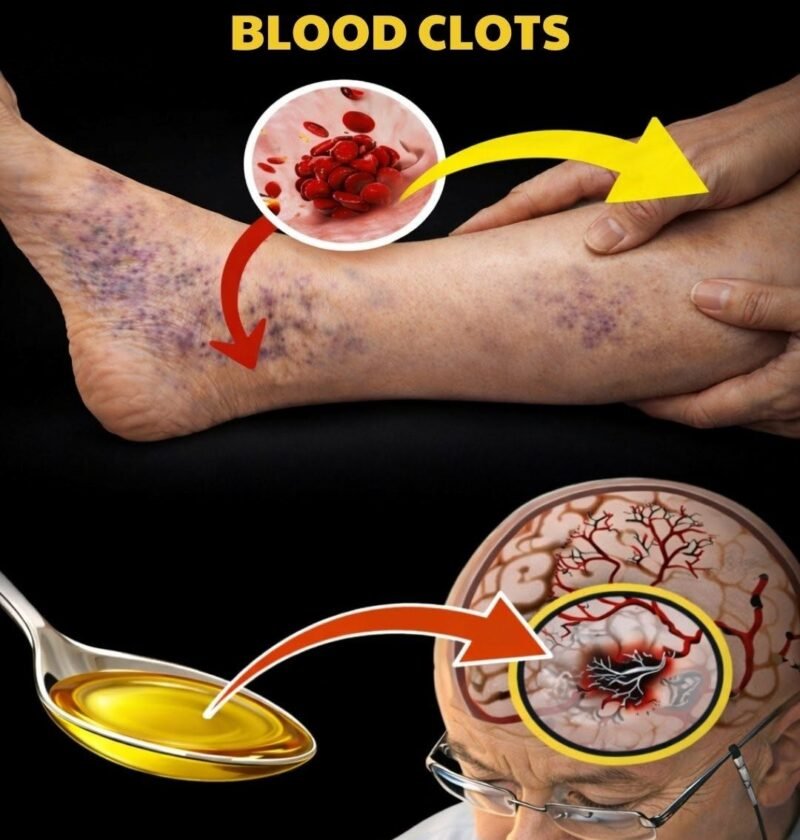
Lab vs. Real-Body Reality: While compounds like bromelain (pineapple) or fruit polyphenols show mild anti-platelet or anti-inflammatory effects in test-tube or small experimental studies, eating whole fruit does not safely prevent or treat deep vein thrombosis (DVT), pulmonary embolism (PE), atrial fibrillation clots, or stroke.
-
Important Drug–Fruit Interactions:
-
Grapefruit (and Seville oranges/pomelo): Can interfere with liver enzymes (CYP3A4) and dangerously raise blood levels of several cardiovascular medications—including apixaban, rivaroxaban, certain statins (like atorvastatin or simvastatin), and calcium channel blockers.
-
Vitamin K & Cranberries/Pomegranate (If on Warfarin): If you take warfarin, large sudden swings in vitamin K intake (mostly leafy greens, though some fruits/juices have small amounts) or concentrated cranberry/pomegranate products can affect INR stability—keeping your diet consistent and checking with your anticoagulation clinic or pharmacist is essential.
-
Evidence-Based Habits That Truly Lower Blood Clot Risk
-
Take Prescribed Blood Thinners Exactly as Directed: Never skip, stop, or substitute prescribed anticoagulants (such as apixaban, rivaroxaban, dabigatran, enoxaparin, or warfarin) or aspirin/clopidogrel with fruits or supplements.
-
Move Regularly During Long Sitting or Travel: Stand up, walk, and flex your ankles every 1–2 hours on long car rides, flights, or desk days to keep calf muscles pumping blood upward.
-
Stay Hydrated & Maintain Healthy Blood Pressure/Weight: Drinking enough water and eating a heart-healthy, plant-rich diet supports smoother circulation and vascular health over time.
When to Seek Immediate Emergency vs. Routine Care
-
Emergency Care (
<1 hour): Seek immediate emergency medical attention (call 1122 in Pakistan or go to the nearest emergency hospital) if you or someone else develops sudden shortness of breath, sharp chest pain (especially worse with a deep breath), coughing up blood, rapid heartbeat, or sudden fainting/lightheadedness (possible pulmonary embolism), or sudden facial drooping, arm weakness, or slurred speech (stroke signs). -
Urgent Same-Day Evaluation (
<24 hours): Seek prompt same-day medical care if one leg (or arm) becomes newly swollen, painful/cramping, warm, or red—do not massage the limb or try to “treat” it with fruit or home remedies while awaiting an ultrasound to rule out a deep vein thrombosis (DVT).