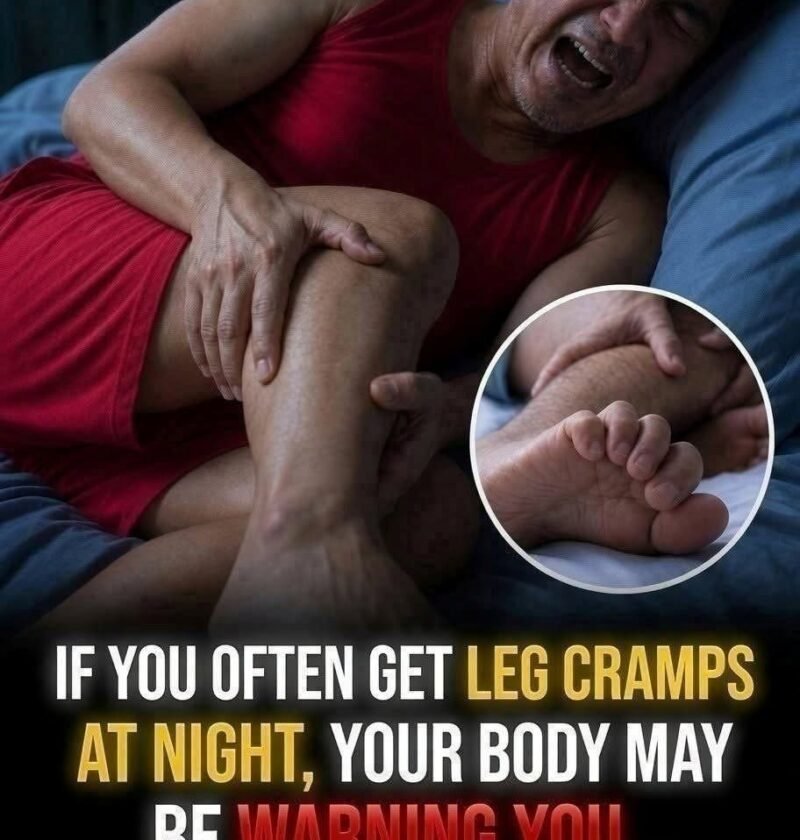
Most Common Causes of Nighttime Leg Cramps (From Everyday Triggers to Medical Checks)
| Category | What Actually Triggers the Cramp | What to Look For |
| 1. Neuromuscular Fatigue & Foot Position (Most Common) | Tight calf muscles, prolonged standing/sitting on hard floors, or sudden unaccustomed exercise over-excite motor nerves at rest. Sleeping with toes pointed downward (plantar flexion) shortens the calf muscle, making it prone to spasm. | Painful hard knot in the calf or arch of the foot that lasts seconds to a few minutes and leaves mild soreness the next day. |
| 2. Medications (Often Overlooked) | Several common prescriptions trigger leg cramps as a side effect—including diuretics (“water pills”), statins, inhaled asthma/COPD bronchodilators (beta-agonists), intravenous iron, and certain blood pressure or osteoporosis drugs. | Cramps started or worsened within weeks of beginning a new prescription or increasing a dose. |
| 3. Fluid Shifts & Electrolyte Imbalances | Heavy sweating, vomiting/diarrhea, or diuretic therapy can lower potassium, magnesium, or calcium, making nerve endings hyper-excitable. (However, most older adults with night cramps have completely normal blood electrolytes.) | Cramps accompanied by heavy sweating, diuretic use, or poor fluid intake during hot weather. |
| 4. Pregnancy (Especially 2nd & 3rd Trimesters) | Added weight, altered circulation, and shifting mineral demands frequently trigger nighttime calf cramps during pregnancy. | Cramps developing mid-to-late pregnancy that resolve after delivery. |
| 5. Nerve Compression, Thyroid, or Kidney/Liver Conditions | Lumbar spinal stenosis (pinched lower-back nerves), peripheral neuropathy (often from diabetes or low vitamin B12), hypothyroidism, or chronic kidney/liver disease can irritate lower-leg nerves. | Frequent cramps paired with numbness, tingling, burning feet, back pain, or fatigue. |
Nighttime Leg Cramps vs. Restless Legs Syndrome vs. Blood Clots (DVT)
-
Nocturnal Leg Cramp: Sudden, sharp, involuntary muscle contraction where the calf feels visibly hard and knotted—relieved by stretching the muscle.
-
Restless Legs Syndrome (RLS): An uncomfortable urge to move the legs (crawling, pulling, or aching sensations) during quiet evening rest—relieved temporarily by walking or moving, with no hard muscle knot.
-
Deep Vein Thrombosis (DVT — Medical Emergency): A blood clot in a deep leg vein causes persistent, worsening calf swelling, warmth, redness/discoloration, and tenderness that does NOT disappear after stretching—seek urgent medical care immediately if these signs appear.
What Actually Stops and Prevents Nighttime Cramps
-
Immediate Relief During a Cramp: Dorsiflex your foot—pull your toes upward toward your shin (or stand up and press your heel flat onto the floor) while gently massaging the tight calf.
-
A 3-Minute Bedtime Calf Stretch: Stand an arm’s length from a wall, place one foot back with the heel flat on the floor and knee straight for 30 seconds per leg before bed—clinical trials show simple pre-sleep stretching reduces cramp frequency better than most supplements.
-
Loosen Heavy Tuck-In Blankets: Tight blankets at the foot of the bed force your toes downward all night; keep sheets loose or sleep with a pillow supporting the soles of your feet.
-
Skip Routine Quinine & High-Dose Blind Supplements: Quinine (including high amounts of tonic water) is no longer recommended for leg cramps due to serious heart-rhythm and blood-cell risks, and high-dose magnesium or potassium supplements rarely help unless you have a confirmed deficiency or pregnancy-related cramps (and excess potassium or magnesium can be dangerous if you have kidney problems).