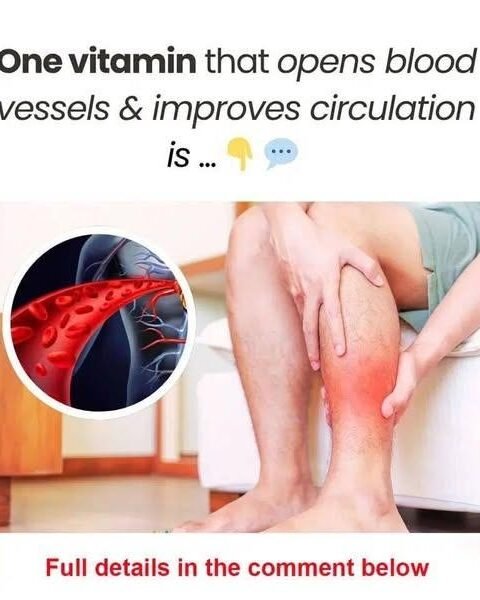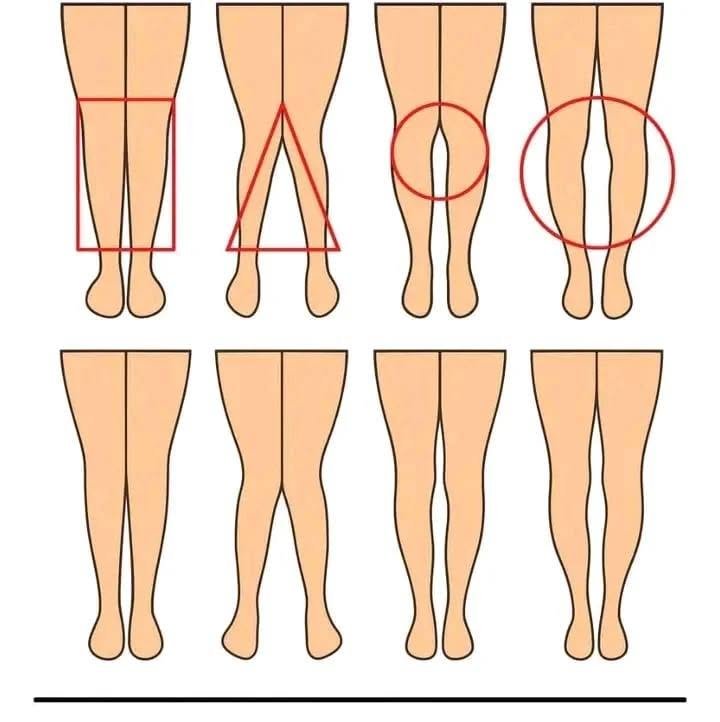
Clickbait headlines trailing off with “A WOMAN’S LEGS CAN TELL HOW HER IS…See More” recycle the same curiosity-gap formula used for nail ridges, chin hair, and toe hair—claiming your leg shape, thigh gap, or calf size reveals secret personality traits, fertility, or lifespan, when in reality legs tell doctors practical facts about circulation, fluid balance, muscle strength, and vein health rather than fortune-telling.
Viral posts using this exact truncated hook typically go in one of two directions: pseudo-psychological quizzes claiming leg length or posture reveals a woman’s “secret personality/loyalty,” or exaggerated health warnings claiming minor leg traits (like normal cellulite, visible surface veins, or slight ankle puffiness after standing all day) signal imminent heart failure. In clinical medicine, doctors look at the legs as a reliable window into cardiovascular, venous, lymphatic, and musculoskeletal health—not character or destiny.
Clickbait Leg Claims vs. What Doctors Actually Look For
| Viral Claim / Leg Feature | What Clickbait Suggests | What It Actually Reflects Medically |
| Leg length, thigh gap, or calf shape | Predicts personality traits, hormone levels, or life expectancy. | Normal skeletal anatomy and genetics (hip width, femur angle, muscle insertion, and body fat distribution)—has zero bearing on personality or character. |
| Mild evening ankle/foot puffiness (dependent edema) | Always a sign of imminent heart or kidney failure. | Very often benign gravity-related fluid pooling from prolonged sitting/standing, hot weather, salty meals, or normal premenstrual/pregnancy fluid shifts—though persistent, worsening, or one-sided swelling deserves a medical check. |
| Spider veins or bulging varicose veins | Caused by crossing your legs or guaranteed to trigger fatal blood clots. | Caused primarily by genetics, pregnancy, prolonged standing, and weakened one-way vein valves (chronic venous insufficiency). Crossing your legs does not cause varicose veins, and superficial spider veins are mostly cosmetic. |
| Cold, pale, hairless shins + calf pain when walking | Normal “poor circulation” from aging that just needs herbal foot soaks. | Potential Peripheral Artery Disease (PAD)—narrowed leg arteries reducing oxygen supply to muscles and skin, which warrants cardiovascular evaluation. |
| Calf muscle strength & leg mobility | Rarely mentioned in clickbait, even though it is the most meaningful indicator. | Strong predictor of healthy aging: Maintaining lower-body muscle mass and balance protects against falls, insulin resistance, and frailty far more than leg appearance. |
Practical Steps for Healthy Legs (and When to Get Checked)
-
Move your calf muscles regularly during long sitting or standing: Calf contractions act as your body’s “second heart,” pumping venous blood upward against gravity—ankle pumps, short walks every hour, or graduated compression socks prevent evening heaviness and swelling.
-
Focus on lower-body strength over cosmetic perfection: Cellulite affects roughly 80–90% of adult women due to normal connective-tissue structure under the skin and is not a health disorder; squats, brisk walking, and stair climbing build real vascular and metabolic resilience.
When to seek prompt medical care: Seek urgent medical evaluation if one leg suddenly becomes swollen, warm, red, and painful (classic warning signs of a Deep Vein Thrombosis [DVT] blood clot), or if you develop new leg swelling paired with shortness of breath when lying flat. Schedule a routine visit for non-healing ankle sores, brownish skin darkening around the ankles, or calf cramping triggered reliably by walking that stops with rest.