Real Kidney Warning Signs vs. Overstated “Strange” Claims
| Symptom Category | What Actually Points to Kidney Trouble | Why Viral Lists Exaggerate It |
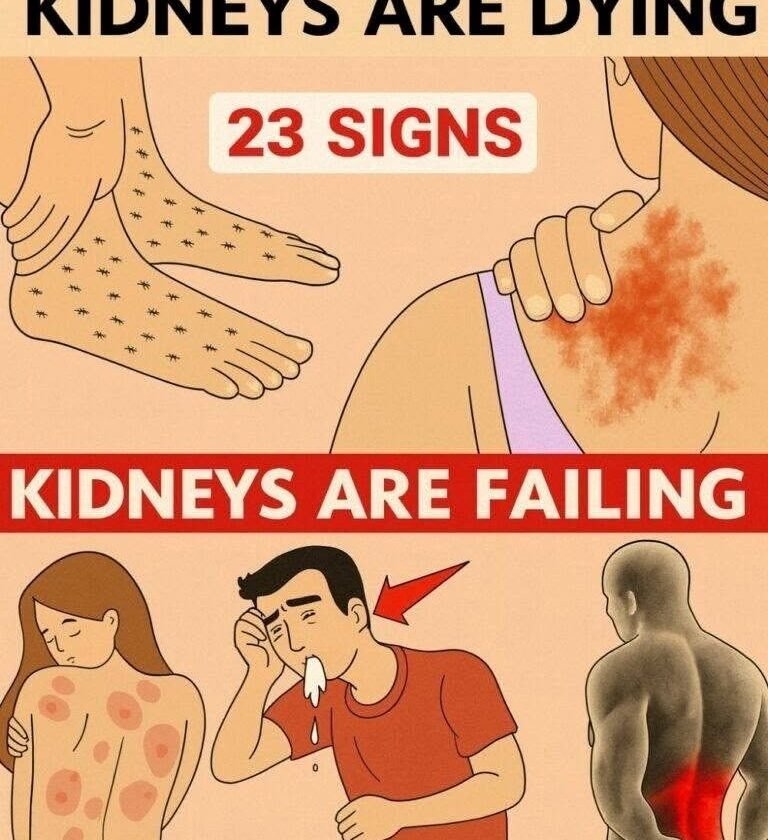
| Urine Changes | Persistent foamy or bubbly urine that does not flush away easily (a sign of excess protein, proteinuria), pink/red/cola-colored urine (blood), or waking up repeatedly every night to urinate (nocturia). | Occasional bubbles from a fast urine stream or concentrated yellow morning urine from mild dehydration are completely normal. |
| Swelling (Edema) | Puffy eyes in the morning (especially periorbital swelling from protein loss) and pitting swelling in the ankles, feet, or hands that leaves a dent when pressed. | Mild ankle puffiness after sitting on a long flight or eating a salty meal is common and temporary. |
| Severe Fatigue & Weakness | Deep, persistent exhaustion paired with pale skin or shortness of breath—caused by toxin buildup (uremia) and anemia (healthy kidneys produce erythropoietin, the hormone that signals bone marrow to make red blood cells). | Everyday tiredness from poor sleep, stress, or low iron/vitamin D is far more common than kidney failure. |
| Persistent Itching (Uremic Pruritus) | Widespread, stubborn itching without an obvious rash—typically appearing in advanced kidney disease when phosphorus and waste products accumulate. | Ordinary dry winter skin, eczema, or mild allergies account for the vast majority of itchy skin. |
| Metallic Taste & Nausea (Uremia) | A persistent metallic/ammonia taste in the mouth, loss of appetite, or morning nausea—usually occurring only when kidney function is severely reduced (late-stage CKD). | Temporary bad breath, acid reflux, or dental issues have nothing to do with kidney function. |
| Muscle Cramps & Twitching | Frequent cramping driven by electrolyte imbalances (low calcium or poorly regulated potassium/phosphorus) in declining kidney function. | Simple dehydration, strenuous exercise, or low magnesium cause most everyday calf cramps. |
Why You Cannot Rely on Symptoms to Catch Kidney Disease Early
-
Blood Creatinine & eGFR (Estimated Glomerular Filtration Rate): Measures how efficiently your kidneys filter waste from the blood.
-
Urine Albumin-to-Creatinine Ratio (uACR): Detects tiny amounts of protein (albumin) leaking into the urine—often the earliest warning sign of kidney stress years before blood creatinine rises.
Everyday Habits That Actually Protect Your Kidneys
-
Keep Blood Pressure and Blood Sugar Controlled: Uncontrolled hypertension and diabetes cause the vast majority of chronic kidney disease worldwide.
-
Avoid Overusing NSAID Painkillers: Frequent, long-term use of over-the-counter anti-inflammatories (such as ibuprofen, naproxen, or diclofenac) restricts blood flow to the kidneys and can cause acute or chronic kidney injury—especially when dehydrated.
-
Skip “Kidney Detox” Teas and Herbal Cleanses: Healthy kidneys already filter waste continuously; unregulated herbal cleanses, high-dose supplements, and concentrated juices can actually trigger acute kidney injury or kidney stones.