Where Dishwasher Tablets Actually Work Well Around the House
-
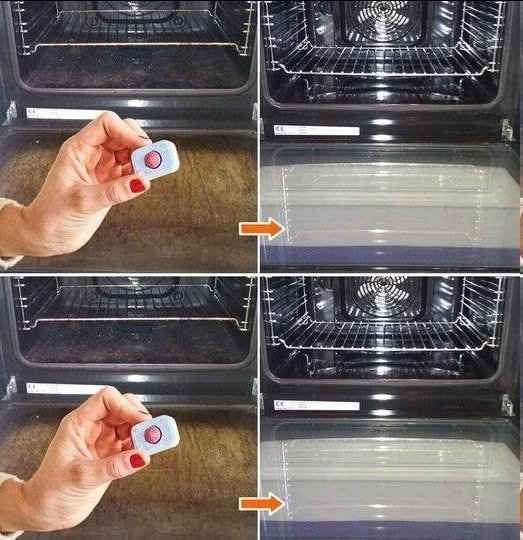
Baked-On Oven Racks and Glass Oven Doors: Soak greasy oven racks in a bathtub or large tub of hot water with 1–2 dissolved tablets for a few hours, then wipe clean. For a glass oven door, dip a compressed powder tablet (not a liquid-gel pod) in warm water and gently rub baked-on grease spots, wearing gloves.
-
Burnt Pots and Stainless-Steel Pans: Fill a scorched stainless-steel or enamel pot with hot water, drop in one tablet, let it soak for 1–2 hours, and scrub lightly. (Avoid bare aluminum, cast iron, or non-stick pans.)
-
Toilet Bowl Rings and Grimy Bathroom Tiles: Drop one tablet into the toilet bowl, let it fizz and dissolve for 20–30 minutes, scrub with a toilet brush, and flush.
-
Washing Machine Drum Cleaning: Running an empty hot wash cycle with 1–2 dishwasher tablets breaks down detergent scum, body oils, and musty buildup inside the drum.
-
Patio Furniture and Trash Cans: Dissolve one tablet in a bucket of warm water to cut through outdoor grime, pollen, and sticky residue on plastic chairs or garbage bins.
Crucial Safety Rules & Surfaces to Avoid
-
Always Wear Rubber Gloves: Dishwasher detergent has a high alkaline pH that dries out and burns skin on contact—especially when rubbing a wet tablet directly onto surfaces.
-
Keep Strictly Away From Children and Pets: Colorful liquid pods look like candy and cause severe chemical burns to the mouth, esophagus, and eyes if bitten or swallowed. Store them high up in a latched cabinet.
-
Never Use on Delicate Surfaces: Do not use dishwasher tablets on cast iron (strips seasoning), raw aluminum (causes dark pitting and discoloration), natural stone like marble or granite (etches the sealant and stone), wood, or delicate fabrics/wool/silk (enzymes and oxygen bleach damage protein fibers and fade dyes).
-
Never Mix With Bleach or Ammonia: Combining dishwasher tablets with chlorine bleach or other cleaners can release toxic fumes.