Why a Breakfast Swap Might Make Clothes Feel Loose—and When to Check In
-
Overall Calorie & Appetite Shift (Most Common Intentional Reason): A breakfast with adequate protein and fiber (like eggs, plain yogurt, oats, or lentils/beans) can steady hunger and reduce mindless snacking later in the day. Still, body-fat loss happens from sustained overall energy balance over weeks, not from a single “fat-burning” food.
-
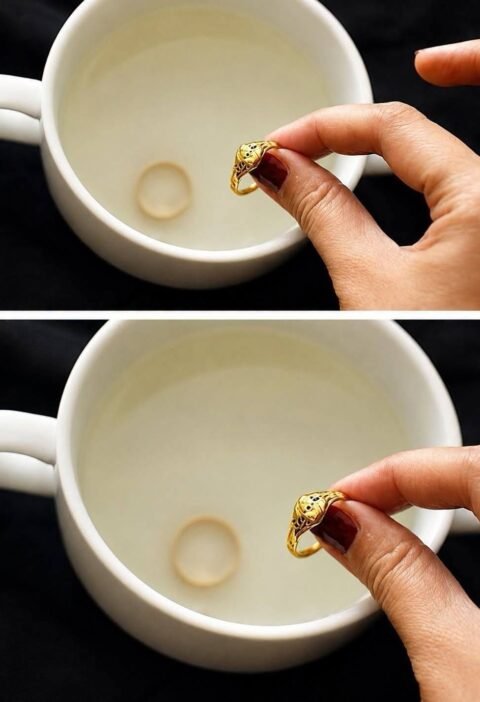
Fluid Shifts & Less Bloating: Cutting back on very salty foods, heavy late-night meals, or foods that cause gas/bloating can quickly make waistbands feel looser even before major fat loss occurs.
-
Unexplained Weight Loss Needs a Doctor’s Check: Losing noticeable weight over a month without trying—especially if accompanied by fatigue, persistent thirst/frequent urination, night sweats, fever, ongoing digestive changes, or weakness—is a symptom worth evaluating at a routine doctor visit (within 2–7 days) (checking things like blood sugar/HbA1c, thyroid function, basic blood counts/metabolic panels, or gut health).
When to Seek Care
-
Emergency Care (
<1 hour): Call 1122 (in Pakistan) or go to the nearest emergency hospital immediately if weight or clothing changes happen alongside chest pain or pressure, shortness of breath, fainting, vomiting blood or black stools, or severe abdominal pain. -
Routine Doctor Visit (Within 2–7 Days): Schedule a checkup if the weight drop was unintentional or comes with persistent fatigue, excessive thirst, fevers/night sweats, or ongoing bowel changes.