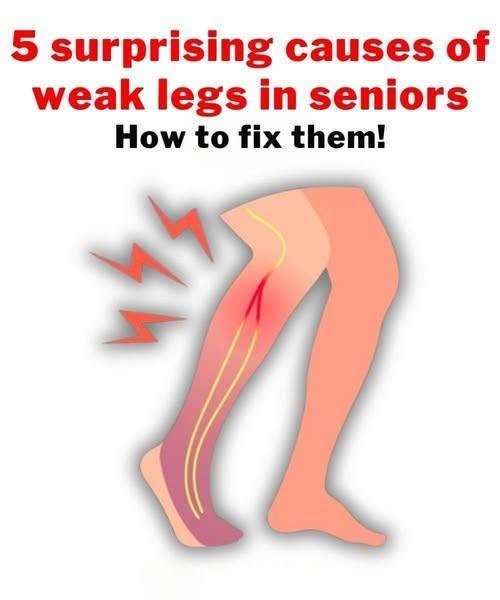
What “5 Surprising Causes” Lists Usually Highlight (and the Clinical Reality)
-
Age-Related Muscle Loss () & Prolonged Sitting:
-
What happens: Older adults lose muscle fibers faster when inactive; even 7 to 10 days of bed rest during an illness can strip significant leg strength, making standing up from low chairs or climbing stairs noticeably harder.
-
What helps: Progressive resistance training (sit-to-stand chair squats, heel raises, resistance bands 2–3 times weekly) paired with adequate daily protein (spread evenly across meals, unless restricted for advanced kidney disease).
-
-
Lower-Spine Nerve Compression ():
-
What happens: Causes heaviness, aching, numbness, or weakness in the calves and thighs after standing or walking a short distance—classically relieved by sitting down or leaning forward (such as over a shopping cart).
-
What helps: Flexion-based physical therapy, core strengthening, and spine evaluation rather than pushing through worsening nerve pain.
-
-
Medication Side Effects & Electrolyte Drops:
-
What happens: Common prescriptions in older adults—including blood-pressure pills (causing dizziness/lightheadedness mistaken for leg weakness), diuretics (depleting potassium or sodium), sedatives/sleep aids, corticosteroids, and occasionally statins—can trigger leg fatigue, unsteadiness, or muscle weakness.
-
What helps: A structured medication review with a physician or pharmacist—never stopping prescribed heart or blood-pressure medications abruptly on your own.
-
-
Vitamin B12 or Vitamin D Deficiency & Thyroid Imbalance:
-
What happens: Low Vitamin B12 damages peripheral nerves (causing tingling, balance loss, and weak-feeling legs), severe Vitamin D deficiency weakens proximal thigh muscles, and hypothyroidism slows muscle recovery.
-
What helps: Simple blood tests before supplementing—targeted replacement restores nerve and muscle function when a true deficiency is present.
-
-
Reduced Leg Blood Flow () or Joint Pain Inhibition:
-
What happens: Narrowed leg arteries cause cramping, fatigue, or weakness during walking that stops after a few minutes of rest; severe hip or knee arthritis can also trigger reflex muscle shutdown (“giving way”).
-
What helps: Supervised walking programs (for circulation), vascular screening (), and targeted joint strengthening.
-
Critical Safety Distinction: Gradual vs. Sudden Weakness
-
Seek emergency care immediately (call 1122 in Pakistan or go to the nearest hospital) if leg weakness starts suddenly (over minutes or hours), affects one side of the body, or occurs alongside facial drooping, slurred speech, severe back pain, numbness in the groin/saddle area, or sudden loss of bladder or bowel control—these are signs of stroke or acute spinal cord compression.
-
Book a prompt routine checkup when weakness develops gradually over weeks or months, causes near-falls, or makes rising from a chair difficult.