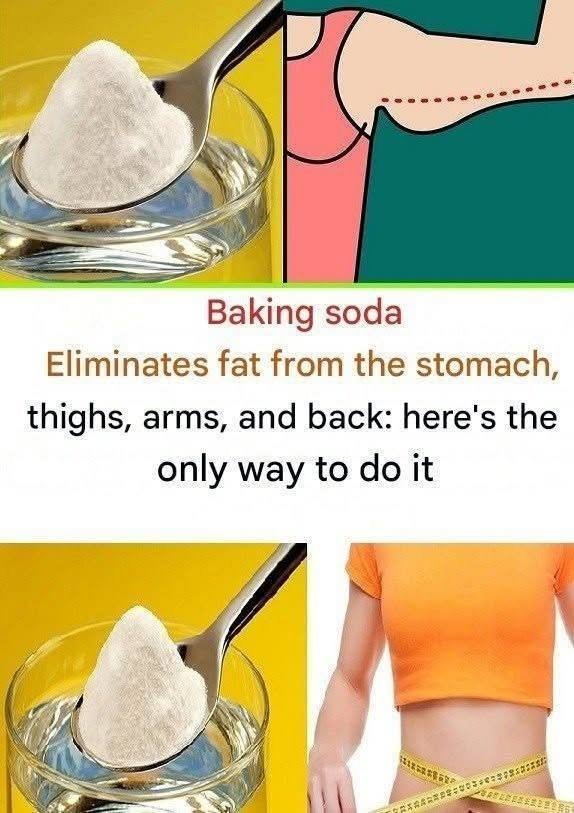
Why Baking Soda Drinks Don’t Burn Fat (and What Actually Happens)
-
No Metabolic Fat-Burning Effect: Body fat is lost only through a sustained calorie deficit over time, not by changing stomach pH or “alkalizing” the body. Your kidneys and lungs tightly regulate blood pH regardless of what you drink.
-
Why Popular Recipes Mislead:
-
Baking soda + lemon water or apple cider vinegar: Mixing an alkaline powder with an acid produces carbon dioxide gas (fizzing) and sodium salts—not a fat-melting compound. Any immediate change on the scale is temporary water shifts or bathroom transit, not fat loss.
-
Baking soda + green tea: Green tea itself is a healthy zero-calorie drink, but adding baking soda does not boost fat oxidation and simply adds unnecessary sodium.
-
-
Real Health Risks of Drinking Baking Soda:
-
High Sodium Load: Just 1 teaspoon of baking soda contains roughly 1,200+ mg of sodium (more than half of a recommended daily limit), which can raise blood pressure and cause fluid retention—especially risky if you have hypertension, heart disease, or kidney disease.
-
Digestive & Electrolyte Imbalance: Regular or large doses can cause gas, bloating, stomach cramps, nausea, and—in severe cases—metabolic alkalosis or dangerously low potassium levels, and can interfere with how certain prescription medications are absorbed.
-
Safe, Evidence-Backed Habits That Actually Reduce Belly Fat
-
Swap Liquid Calories for Plain or Flavored Water: Replace sugary tea, sodas, and sweetened juices with plain water, lemon water (without baking soda), or unsweetened green/black tea.
-
Anchor Meals With Protein & Fiber: Including eggs, lentils (daal), chickpeas, yogurt (dahi), fish, lean poultry, vegetables, and whole grains helps control hunger and preserves muscle while losing fat.
-
Combine Regular Walking With Resistance Movement: Aim for brisk walking most days of the week alongside basic strength exercises (squats, push-ups, resistance bands) 2–3 times weekly to reduce visceral abdominal fat.
-
Prioritize Consistent Sleep: Getting 7–8 hours of regular sleep helps keep appetite hormones (ghrelin and leptin) and cortisol balanced.