Common Causes of Chin Hair in Women
| Likely Cause | How It Shows Up | Key Clues |
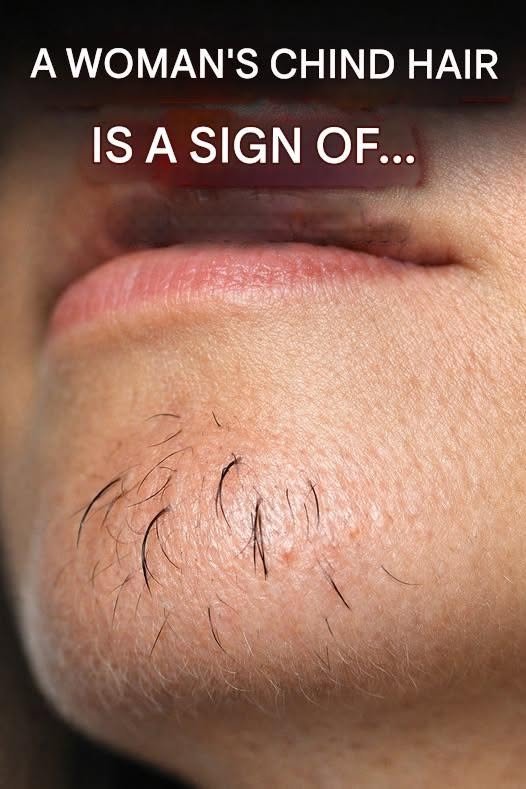
| Normal Genetics & Ethnicity | A few scattered coarse hairs on the chin or upper lip that stay relatively stable. | Family members (mother, sisters) have a similar pattern; regular menstrual cycles; no other hormone symptoms. |
| Perimenopause & Menopause | New, thicker chin hairs appearing in your late 30s, 40s, or 50s. | Estrogen drops faster than testosterone during the menopause transition, shifting the estrogen-to-androgen ratio so existing follicles grow coarser hair. |
| Polycystic Ovary Syndrome (PCOS) | Progressive coarse hair growth on the chin, jawline, upper lip, chest, or lower abdomen. | Irregular or missed periods, hormonal acne along the jawline, thinning scalp hair, or difficulty managing weight. (PCOS is the most common medical cause of hirsutism.) |
| Medications | Gradual increase in facial or body hair after starting a new drug. | Linked to certain steroids (anabolic or systemic corticosteroids), testosterone/DHEA supplements, minoxidil, danazol, or cyclosporine. |
| Insulin Resistance or Cushing’s Syndrome | Excess facial hair paired with metabolic or weight shifts. | High insulin levels stimulate the ovaries to produce more androgens; Cushing’s (high cortisol) is much rarer and often causes upper-body weight gain, easy bruising, and a rounded face. |
| Adrenal or Ovarian Conditions (Rare) | Very sudden, rapid, heavy hair growth over weeks or months. | Accompanying signs of high androgens (virilization), such as a deepening voice, severe acne, or rapid muscle/hairline changes—always requires prompt medical evaluation. |
Safe Ways to Manage Chin Hair
-
For a few stray hairs: Tweezing, threading, or facial dermaplaning/shaving are safe and effective. (Myth check: Shaving or plucking does not make hair grow back thicker or darker—a blunt cut edge just feels coarser as it grows out.)
-
For longer-term reduction:
-
Laser hair removal: Targets dark pigment in the follicle for long-term reduction (works best on dark hair; multiple sessions needed).
-
Electrolysis: Destroys individual hair follicles one by one using a tiny electrical current—effective on all hair colors (including white, gray, or blonde hairs) and is the only FDA-recognized permanent hair removal method.
-
Prescription options: A doctor may prescribe topical eflornithine cream (to slow facial hair growth) or address underlying hormone imbalances with oral contraceptives or anti-androgens like spironolactone.
-
When to See a Doctor
-
Appears suddenly or spreads quickly across your face, chest, or back.
-
Comes with irregular, missed, or unusually heavy periods or difficulty conceiving.
-
Is accompanied by persistent jawline acne, thinning hair at the crown/temples, or a deepening voice.