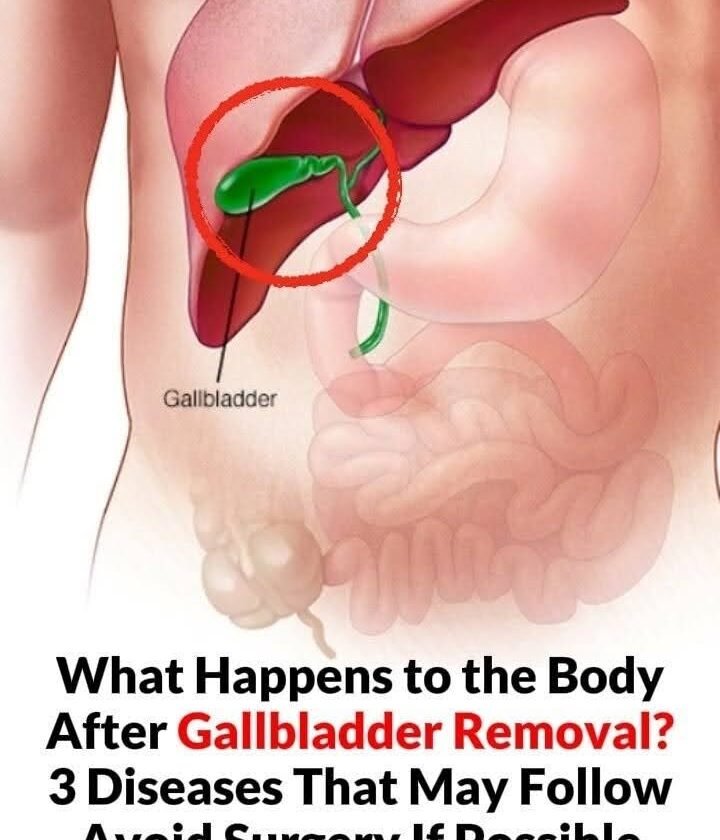
3 Real Conditions That Can Happen After Gallbladder Removal
| Condition | What Happens After Surgery | Typical Clues |
| 1. Bile Acid Malabsorption / Diarrhea | Without a gallbladder to store and meter bile, bile acids flow more continuously into the gut and can draw excess water into the colon. | Loose, watery, or urgent stools (often after fatty meals), bloating, or gas; usually improves over weeks or responds to diet and bile-binding medication. |
| 2. Post-Cholecystectomy Syndrome (PCS) | Ongoing or new upper-abdominal symptoms persist after removal—due to a retained bile duct stone, sphincter spasm, bile reflux, gastritis, or unrelated GI issues. | Right upper-quadrant discomfort, nausea, indigestion, or reflux that mimics pre-surgery attacks. |
| 3. Bile Reflux & Fat-Digestion Changes | Unstored bile can occasionally reflux toward the stomach or irritate the digestive lining; large, very fatty meals may feel heavy before your gut adapts. | Bitter taste, burning upper-abdomen discomfort, or temporary fullness/looseness after rich meals. |
When Surgery Should NOT Be Avoided vs. When It Can Wait
-
Urgent / Do not delay: Seek prompt medical care for severe steady right-upper-abdomen pain (especially lasting hours), fever or chills, yellowing of the skin or eyes (jaundice), dark urine, or pale stools. Infected or blocked bile ducts can become life-threatening.
-
Elective surgery recommended: Doctors typically recommend removal for symptomatic gallstones (repeated painful biliary colic attacks), inflamed gallbladder (cholecystitis), gallstone pancreatitis, or certain high-risk polyps. Delaying care after painful attacks often leads to emergency admissions rather than a “natural cure.”
-
When surgery is often unnecessary: Silent (asymptomatic) gallstones found by chance on a scan rarely need surgery. Small cholesterol stones sometimes cause mild symptoms that settle with dietary adjustments, though gallstones themselves do not dissolve reliably with natural flushes or apple cider vinegar.
Practical Steps If You Have Gallstones or Had Your Gallbladder Removed
-
Pace fat intake rather than cutting it to zero: Your body still needs healthy fats and fat-soluble vitamins (A, D, E, K). Moderate, evenly spaced meals are easier to handle than one huge, greasy meal.
-
Track food triggers for a few weeks: Very high-fat fried foods, heavy cream sauces, alcohol, or large late meals commonly trigger loose stools or reflux after removal.
-
Ask about targeted evaluation if symptoms persist: If diarrhea, pain, or reflux lasts beyond the first few months after surgery, a doctor can check for treatable causes such as bile acid diarrhea, retained stones, or acid/bile reflux.