Why DIY Moisturizer Mix-Ins Backfire
-
Unstable chemistry and preservation: Commercial creams are formulated with specific pH levels and preservatives. Mixing food, water, or raw powders into a jar introduces bacteria and disrupts active ingredients.
-
Severe skin irritation:
-
Lemon juice or apple cider vinegar: Highly acidic; causes chemical irritation and .
-
Baking soda or toothpaste: Harshly alkaline and abrasive; strips protective lipids, causing redness, peeling, and rebound breakouts.
-
Undiluted essential oils (tea tree, oregano, clove): Common causes of allergic .
-
Proven Ingredients That Actually Clear Blemishes
| Blemish Type | Proven Active Ingredient | How It Works |
| Blackheads & clogged pores | Salicylic Acid (BHA, 0.5%–2%) | Oil-soluble exfoliant that penetrates pores to dissolve excess sebum and dead skin cells. |
| Red, inflamed pimples | Benzoyl Peroxide (2.5%–5%) | Kills acne-causing bacteria (C. acnes) without creating antibiotic resistance and reduces inflammation. |
| Stubborn acne & uneven texture | Adapalene (0.1% retinoid) | Speeds up skin cell turnover to keep pores clear and gradually fades post-acne marks. |
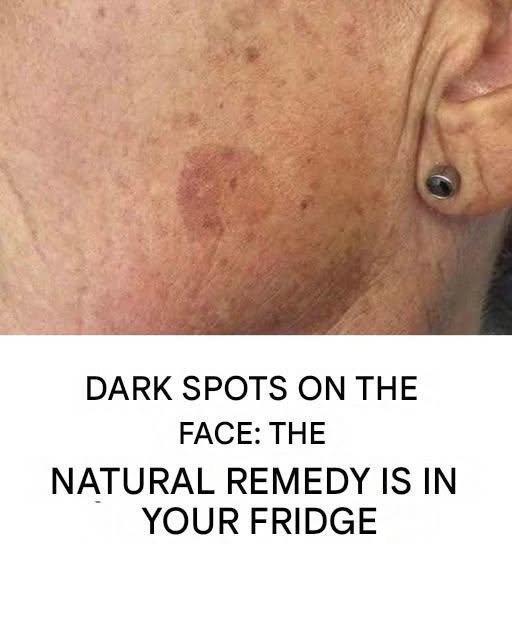
| Dark spots & redness after breakouts | Azelaic Acid (10%–15%) or Niacinamide (4%–5%) | Calms inflammation and slows excess pigment production safely across all skin tones. |
Safe Rules for Layering With Moisturizer
-
Apply actives to clean, dry skin first: Put a pea-sized amount of treatment on your face, let it absorb for a minute, and follow with a plain moisturizer.
-
Use the “sandwich method” if sensitive: Apply a thin layer of plain moisturizer first, apply your active treatment, then seal with moisturizer to buffer irritation.
-
Wear daily sunscreen (SPF 30+): UV exposure darkens healing blemish marks and makes ingredients like retinoids and acids more irritating.