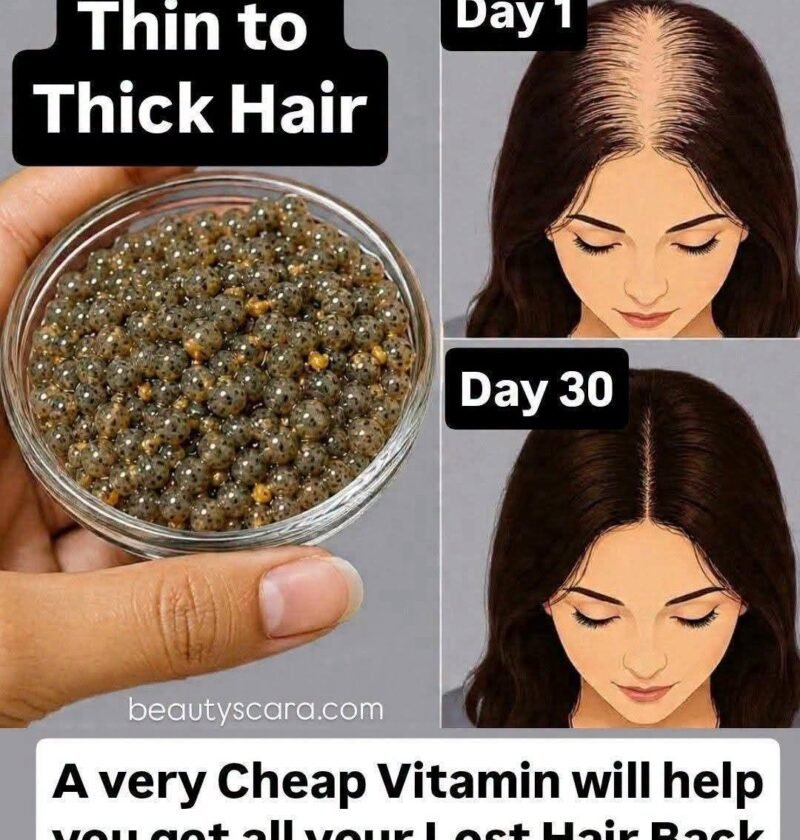
Key Nutrients That Support Hair Growth
-
Protein & Amino Acids: Hair shafts are made mostly of keratin, a structural protein. Low protein intake or crash dieting pushes hair follicles prematurely into the resting/shedding phase (telogen effluvium).
-
Iron: Essential for oxygen transport to rapidly dividing cells in the hair bulb. Low iron (and low ferritin) is a common, reversible driver of diffuse hair shedding, especially in menstruating women and vegetarians.
-
Zinc: Supports cell division, tissue repair, and oil-gland function around follicles. Both low zinc and high-dose zinc supplements (which deplete copper) can cause hair loss.
-
Vitamin D: Helps regulate hair follicle cycling. Low vitamin D levels frequently appear alongside patchy or diffuse hair shedding.
-
Vitamin B12 & Folate: Needed for red blood cell production and DNA synthesis in growing follicle cells.
-
Biotin (Vitamin B7): True biotin deficiency is rare in people eating a normal diet, yet biotin is heavily marketed in hair gummies. High-dose biotin does not speed up normal hair growth and can skew lab tests (such as thyroid and troponin panels).
-
Omega-3 Fatty Acids & Vitamin C: Omega-3s support scalp barrier health and reduce inflammation, while vitamin C aids collagen formation and boosts non-heme iron absorption from plant foods.
Best Everyday Foods for Healthy Hair
-
Eggs & Dairy (Milk, Yogurt, Paneer): Provide complete protein, vitamin B12, and bioavailable nutrients; egg yolks also supply choline and small amounts of vitamin D and biotin.
-
Lentils, Chickpeas, Beans & Tofu: Strong plant-based sources of protein, iron, and zinc—pair with lemon juice, bell peppers, or tomatoes to improve iron absorption.
-
Fatty Fish (Salmon, Sardines, Mackerel): Deliver omega-3 fatty acids, high-quality protein, and vitamin D.
-
Nuts & Seeds (Pumpkin Seeds, Walnuts, Almonds, Sunflower Seeds): Rich in zinc, selenium, vitamin E, and healthy fats.
-
Dark Leafy Greens (Spinach, Mustard Greens / Saag): Provide non-heme iron, folate, and beta-carotene (a plant precursor to vitamin A).
Supplement Cautions: When More Backfires
-
Excess Vitamin A or Selenium: High doses of vitamin A or selenium supplements can actually cause hair loss along with liver or nerve side effects.
-
Unchecked Iron or Zinc Pills: Iron should be taken based on blood tests (including serum ferritin) because excess iron harms organs; zinc above tolerable limits can cause nausea and copper deficiency.
-
When to See a Doctor: Get a medical evaluation and basic blood work (such as complete blood count, ferritin, vitamin D, B12, and thyroid tests) if shedding is sudden, heavy, patchy, accompanied by scalp scaling/pain, or follows a clear pattern of crown or hairline thinning.